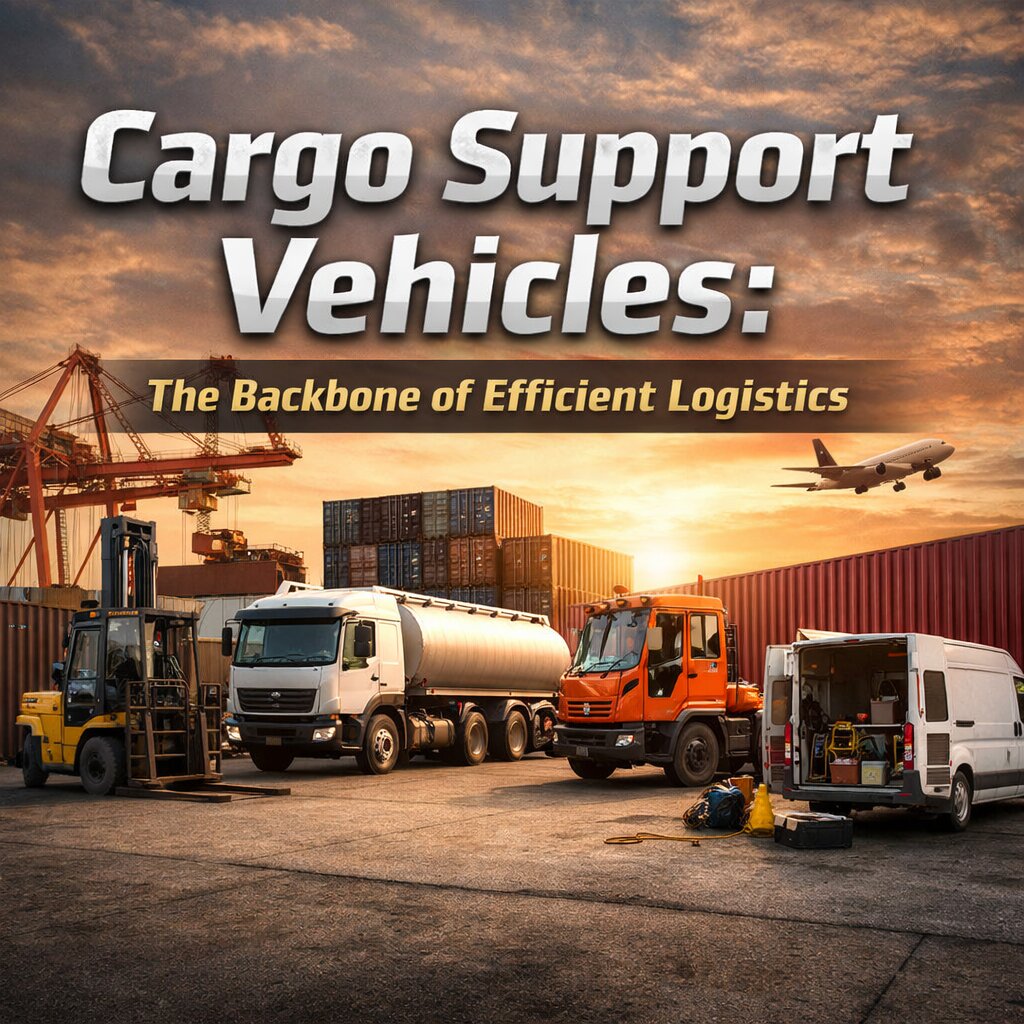
Cargo support vehicles: the backbone of efficient logistics operations
Cargo support vehicles are often overlooked in the logistics and transport industry, yet they play a critical role in ensuring operations run smoothly. While primary transport units like trucks, ships, and trains move goods from one location to another, support vehicles handle everything behind the scenes.
These vehicles are responsible for maintaining workflow efficiency, reducing downtime, and supporting both cargo handling and transport systems. Without them, even the most advanced logistics networks would struggle to function effectively.
Across construction sites, warehouses, ports, and distribution centres, cargo support vehicles provide essential services that keep goods moving safely and on schedule. They bridge the gap between transportation and operational readiness.
As industries grow more complex and demand faster delivery times, the importance of these vehicles continues to increase. Understanding their role helps highlight just how vital they are in modern infrastructure.
The role of cargo support vehicles in logistics systems
Cargo support vehicles serve a wide range of functions, all centred around maintaining efficiency and operational continuity. They are not designed to transport goods over long distances but instead ensure that everything surrounding cargo movement works seamlessly.
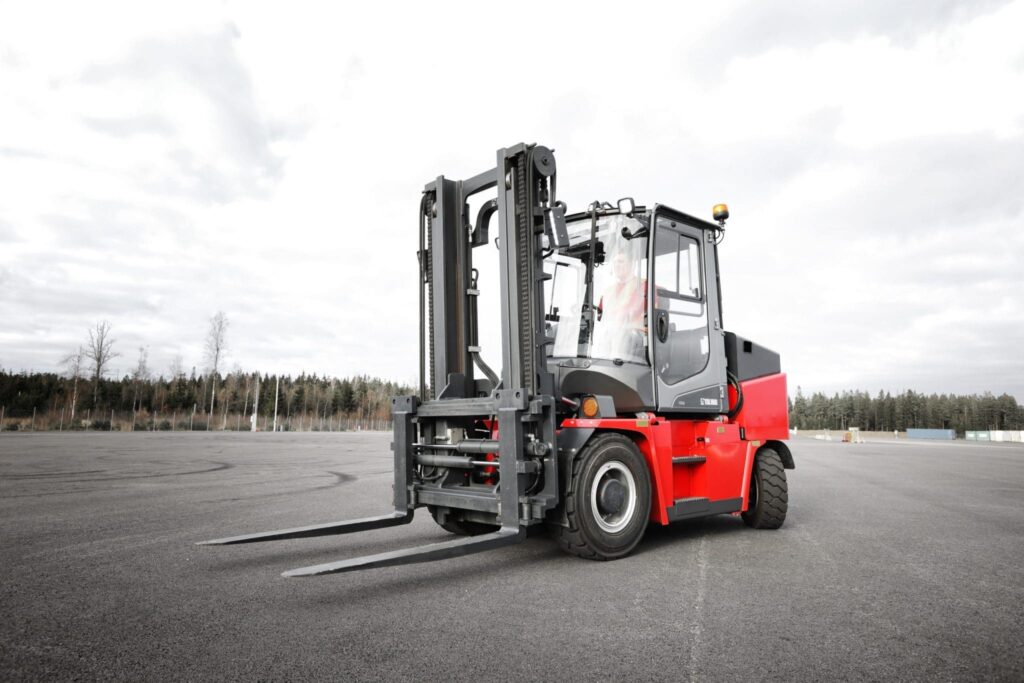
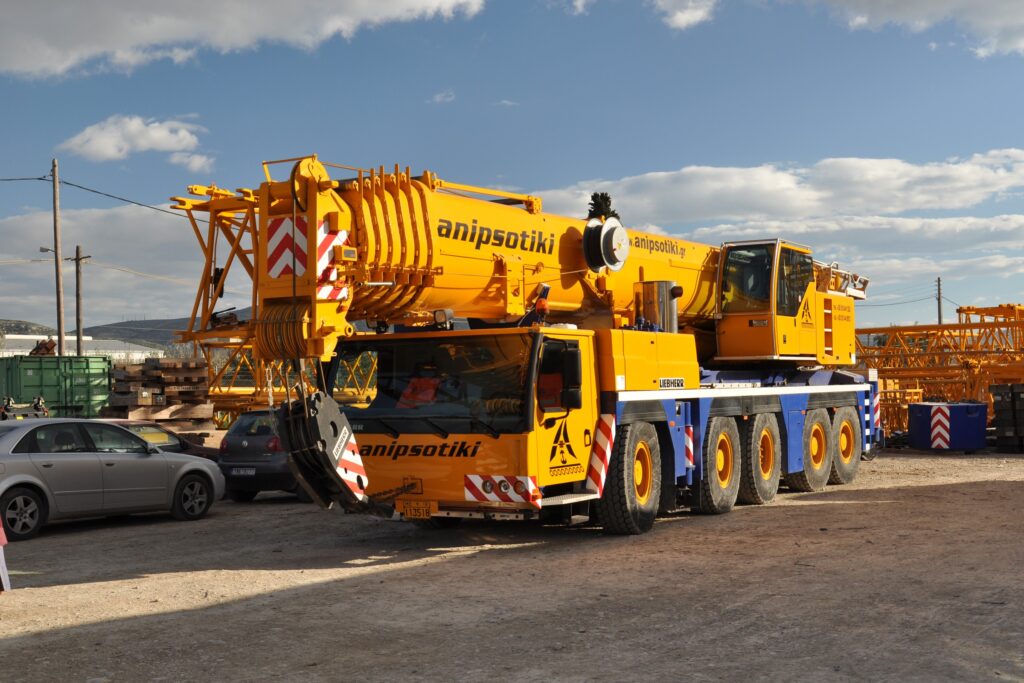
One of their primary roles is to assist with loading and unloading operations. Vehicles such as forklifts, reach stackers, and mobile cranes help move cargo between storage areas and transport units, ensuring quick turnaround times.
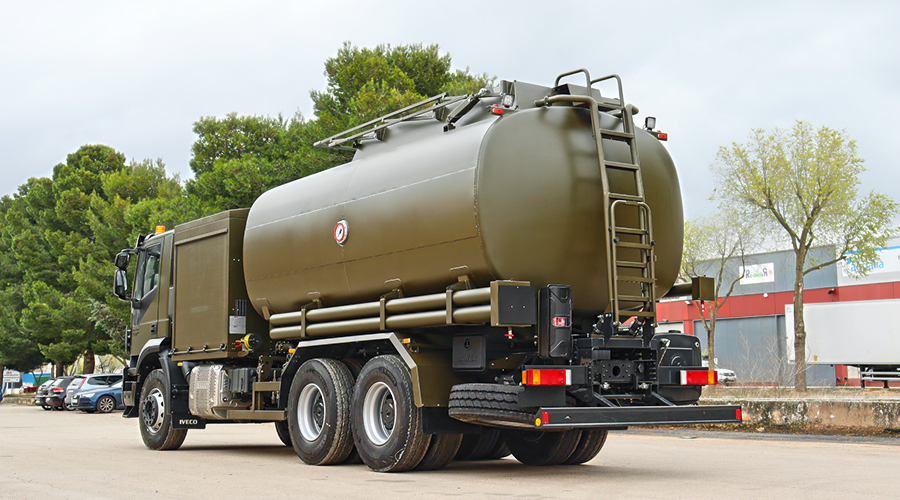
They also provide essential maintenance and operational support. Fuel trucks, mobile repair units, and inspection vehicles ensure that primary transport vehicles remain in working condition, reducing costly downtime.
In large-scale logistics hubs like ports and airports, cargo support vehicles help coordinate movement across vast areas. They ensure that cargo reaches the right place at the right time, supporting both safety and efficiency.
Types of cargo support vehicles used across industries
Cargo support vehicles come in many forms, each designed to handle specific tasks within the logistics chain. Their diversity allows them to adapt to different environments, from urban warehouses to heavy industrial sites.
Here are some of the most common types:
- Forklifts and pallet movers for handling goods in warehouses and loading zones
- Mobile cranes for lifting heavy cargo in construction and port environments
- Fuel and refuelling trucks to keep transport fleets operational
- Maintenance and service vehicles for on-site repairs and inspections
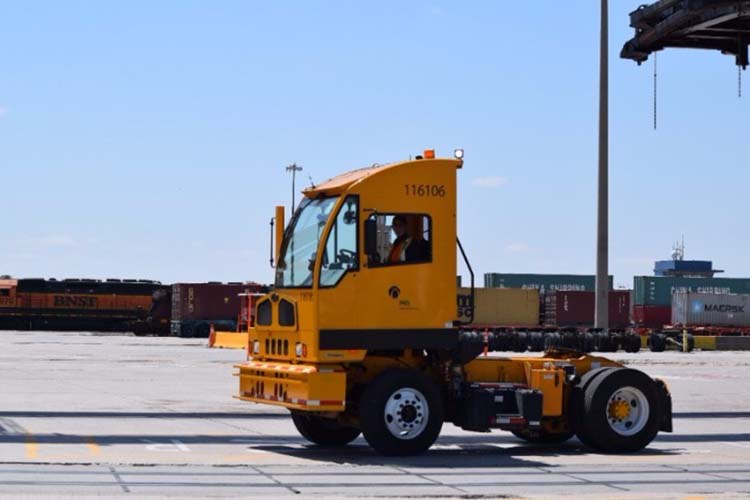
- Terminal tractors (yard trucks) for moving trailers within logistics hubs
- Sweepers and cleaning vehicles to maintain safe working environments
Each of these vehicles contributes to a specific part of the workflow, ensuring that cargo operations remain efficient and uninterrupted.
Their versatility also makes them essential across multiple industries, including construction, mining, shipping, aviation, and retail logistics.
Why cargo support vehicles are essential for efficiency and safety
Efficiency in logistics is not just about speed. It is also about reliability, coordination, and safety. Cargo support vehicles play a key role in all three areas, ensuring that operations are not only fast but also consistent and secure.
By reducing manual handling, these vehicles minimise the risk of workplace injuries. Equipment like forklifts and cranes allow heavy loads to be moved safely, protecting workers and improving productivity.
They also help prevent delays. When a transport vehicle breaks down or requires maintenance, support vehicles can respond quickly, keeping operations on track. This is especially important in industries where time-sensitive deliveries are critical.
In addition, cargo support vehicles contribute to better organisation within logistics hubs. By streamlining movement and maintaining order, they reduce congestion and improve overall workflow.
The future of cargo support vehicles in modern transport
As technology continues to evolve, cargo support vehicles are becoming smarter and more efficient. Automation, electric powertrains, and advanced tracking systems are transforming how these vehicles operate.
Autonomous yard trucks and robotic forklifts are already being introduced in some logistics centres, reducing the need for manual intervention and improving precision. These innovations are helping companies optimise operations and reduce costs.
Sustainability is also becoming a major focus. Electric and hybrid cargo support vehicles are being developed to reduce emissions and meet stricter environmental regulations. This shift is particularly important in urban areas and large logistics hubs.
Data integration is another key trend. Modern support vehicles can be connected to central systems, allowing operators to monitor performance, track movements, and make real-time decisions.
Driving logistics forward behind the scenes
Cargo support vehicles may not always be in the spotlight, but their impact on the logistics industry is undeniable. They ensure that every stage of cargo movement runs smoothly, from handling and maintenance to coordination and safety.
Without these vehicles, delays, inefficiencies, and safety risks would increase significantly. Their role as the backbone of logistics operations makes them indispensable across industries.
As technology advances and logistics networks become more complex, cargo support vehicles will continue to evolve. They will remain a key part of the system, supporting the movement of goods and the growth of global trade.
Understanding their importance not only highlights their value but also sheds light on the intricate systems that keep the world moving every day.