Urban Transport Vehicles: Driving the Future of City Mobility
Urban transport vehicles are at the heart of modern city life, shaping how people and goods move through increasingly crowded environments. As cities expand and populations grow, the demand for efficient, sustainable, and flexible transport solutions has never been greater.
From compact electric cars to buses, taxis, and delivery vans, urban transport vehicles are evolving rapidly to meet the challenges of congestion, emissions, and accessibility. In South Africa and beyond, these vehicles are redefining how cities function on a daily basis.
The growing importance of urban transport vehicles

Urban transport vehicles play a crucial role in keeping cities operational. Whether it is commuters travelling to work, students heading to school, or businesses delivering goods, these vehicles ensure that urban life continues to flow smoothly.
In cities like Cape Town, traffic congestion remains a major concern. As more vehicles enter the roads, the need for smarter and more efficient transport systems becomes increasingly urgent. Urban transport vehicles are now being designed with this challenge in mind, focusing on reducing congestion while improving travel times.
Public transport vehicles such as buses and minibuses remain essential, especially in areas where private car ownership is limited. At the same time, private mobility solutions continue to evolve, offering more compact and fuel-efficient options for city driving.
The importance of urban transport vehicles extends beyond convenience. They are also key to economic growth, enabling businesses to operate efficiently and ensuring that people can access opportunities across the city.
Types of urban transport vehicles shaping cities

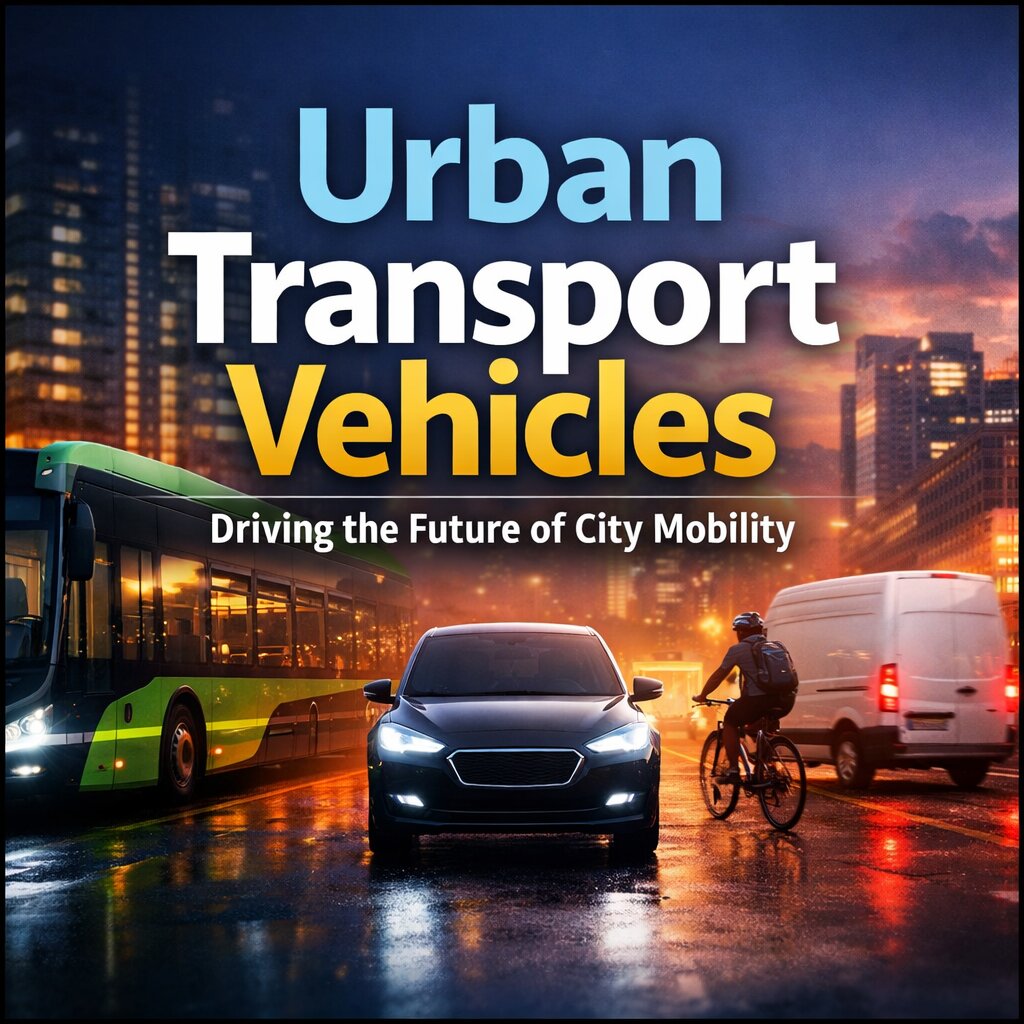
The category of urban transport vehicles is broad, covering a wide range of options that serve different needs within a city environment. Each type plays a unique role in supporting mobility and accessibility.
Passenger vehicles remain the most common, but they are increasingly being designed for urban efficiency. Smaller footprints, better fuel economy, and electric alternatives are becoming standard features.
Public transport vehicles continue to form the backbone of urban mobility. Buses, Bus Rapid Transit systems, and rail services move large numbers of people efficiently, reducing the number of individual vehicles on the road.
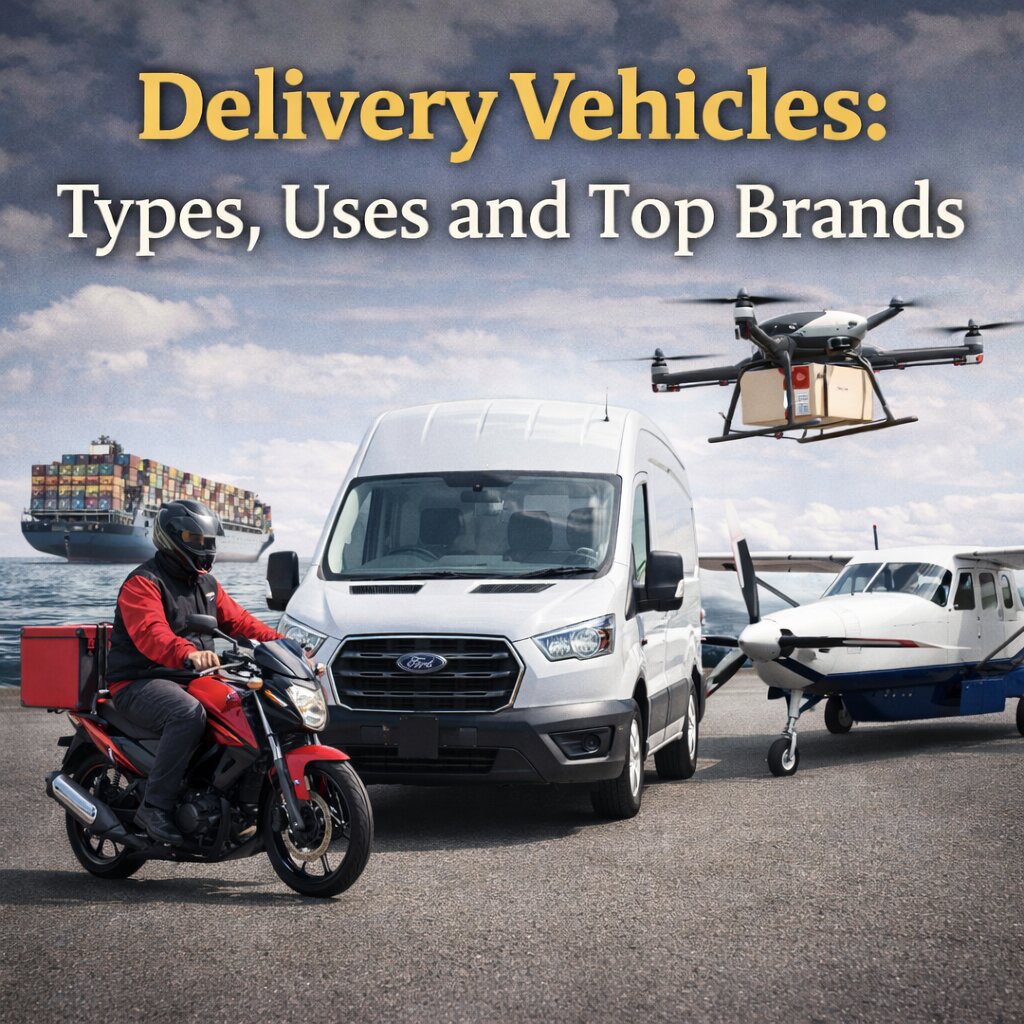
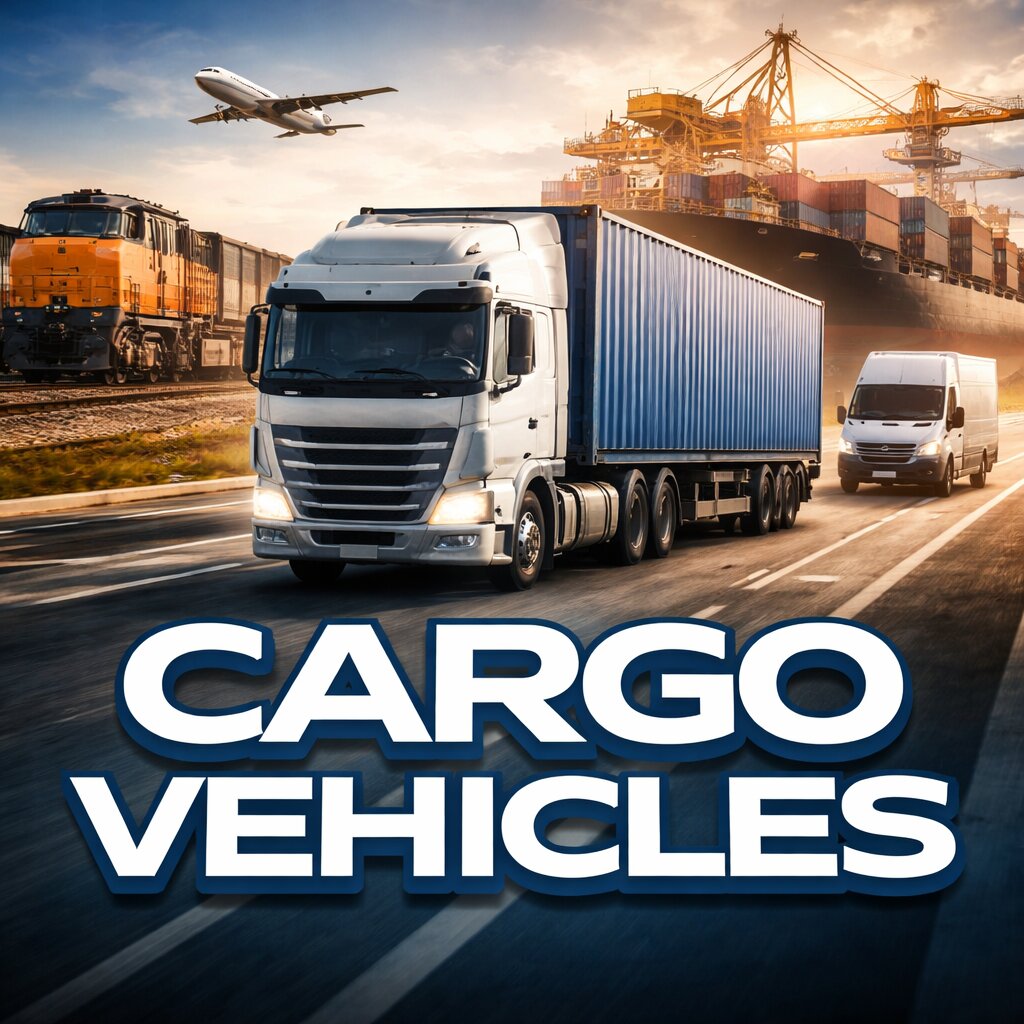
Commercial vehicles are equally important. Delivery vans, light trucks, and service vehicles ensure that goods reach their destinations, supporting retail, logistics, and service industries.
Key examples of urban transport vehicles include:
- Compact city cars designed for tight spaces
- Electric vehicles reducing emissions
- Buses and BRT systems for mass transit
- Minibus taxis serving local communities
- Delivery vans supporting e-commerce growth
- Ride-hailing vehicles offering flexible transport options
Together, these vehicles create a complex and interconnected transport ecosystem that keeps cities moving.
Innovation and sustainability in urban mobility
One of the biggest shifts in urban transport vehicles is the move towards sustainability. Governments and manufacturers are investing heavily in electric and hybrid technologies to reduce emissions and improve air quality.
Electric vehicles are becoming more common in urban environments due to their lower running costs and reduced environmental impact. Charging infrastructure is also expanding, making it easier for drivers to transition away from traditional fuel-powered vehicles.
Technology is playing a major role in this transformation. Smart systems, including traffic management software and vehicle connectivity, help optimise routes and reduce congestion. Ride-sharing platforms and mobility apps are also changing how people interact with urban transport vehicles.
In South Africa, the push towards greener mobility is gaining momentum, although challenges such as infrastructure and affordability still need to be addressed. Despite this, the direction is clear, with urban transport vehicles leading the way towards cleaner and smarter cities.
Challenges facing urban transport vehicles today

While urban transport vehicles offer many benefits, they also face significant challenges. Congestion remains one of the biggest issues, particularly during peak hours when roads become heavily congested.
Infrastructure limitations can also impact the efficiency of urban transport systems. Poor road conditions, limited public transport networks, and inadequate planning can all reduce the effectiveness of these vehicles.
Cost is another factor. While electric vehicles and advanced technologies offer long-term savings, the initial investment can be high, making them less accessible for many consumers and businesses.
Safety and regulation also play a role. Ensuring that urban transport vehicles meet safety standards and operate within legal frameworks is essential for protecting both drivers and passengers.
Despite these challenges, ongoing innovation and investment continue to improve the performance and accessibility of urban transport vehicles.
The road ahead for urban mobility
The future of urban transport vehicles is focused on efficiency, sustainability, and integration. As cities continue to grow, the need for smarter transport solutions will only increase.
We can expect to see more electric vehicles on the road, improved public transport systems, and greater use of technology to manage traffic and mobility. Autonomous vehicles may also become part of the urban landscape in the years to come.
Urban transport vehicles will continue to evolve, adapting to the changing needs of cities and their residents. Their role in shaping the future of mobility cannot be overstated.
As innovation continues, one thing is certain: urban transport vehicles will remain at the centre of how we move, live, and connect in modern cities.