
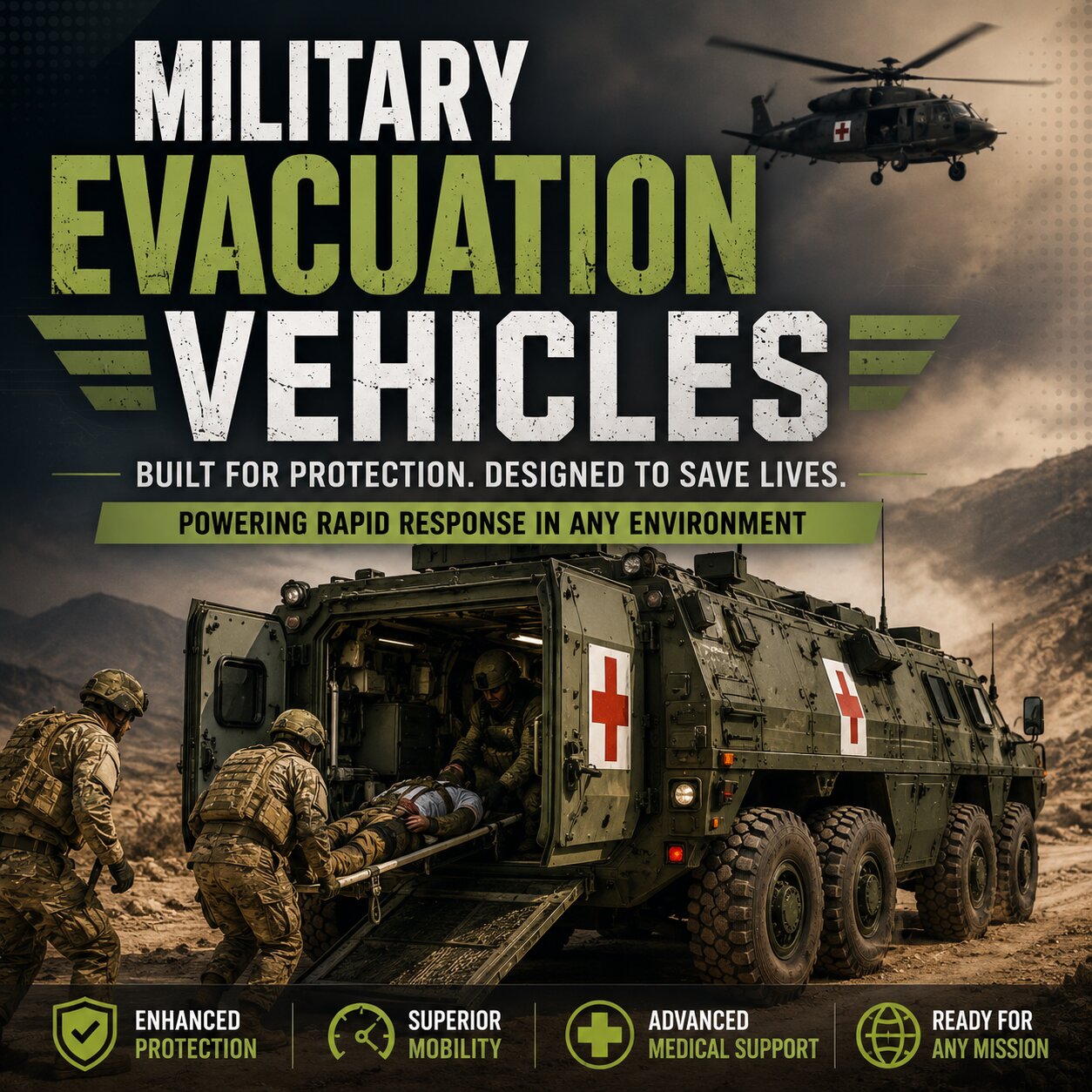
Military Evacuation Vehicles And Their Role In Modern Crisis Response
Military evacuation vehicles play a critical role in modern armed forces by ensuring wounded personnel, civilians, and essential personnel can be transported quickly and safely from dangerous environments. Whether operating in active combat zones, disaster-stricken regions, or humanitarian emergencies, these specialised vehicles provide mobility when conventional transport options are unavailable or unsafe.
The importance of military evacuation vehicles has grown significantly as military operations have become more complex and geographically diverse. Modern conflicts often occur in urban environments, remote landscapes, and areas affected by natural disasters, creating unique transportation challenges.
To meet these demands, manufacturers continue to develop military evacuation vehicles capable of operating in harsh conditions while protecting occupants from threats such as small-arms fire, explosive devices, and difficult terrain.
As technology advances, military evacuation vehicles are becoming faster, safer, and more adaptable than ever before.
Key Features Of Military Evacuation Vehicles
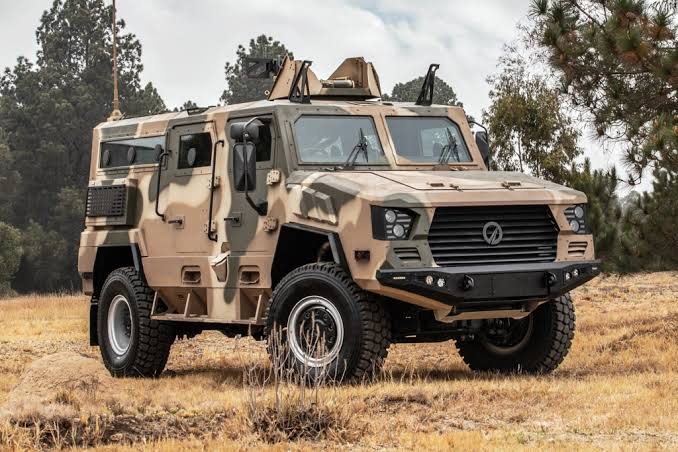
Modern military evacuation vehicles are designed around survivability, mobility, and medical support capabilities. Their construction focuses on ensuring passengers can be moved efficiently while remaining protected throughout the journey.
Many evacuation military vehicles feature armoured hulls, blast-resistant designs, advanced suspension systems, and powerful engines capable of traversing challenging terrain. These features allow operators to reach casualties in areas where ordinary vehicles would struggle.
Medical evacuation variants often include onboard treatment facilities, oxygen systems, monitoring equipment, and space for trained medical personnel. This allows life-saving care to begin before patients reach a field hospital or permanent medical facility.
The continued evolution of military evacuation vehicles demonstrates how defence industries prioritise both operational effectiveness and casualty survival rates.
Common Types Of Military Evacuation Vehicles
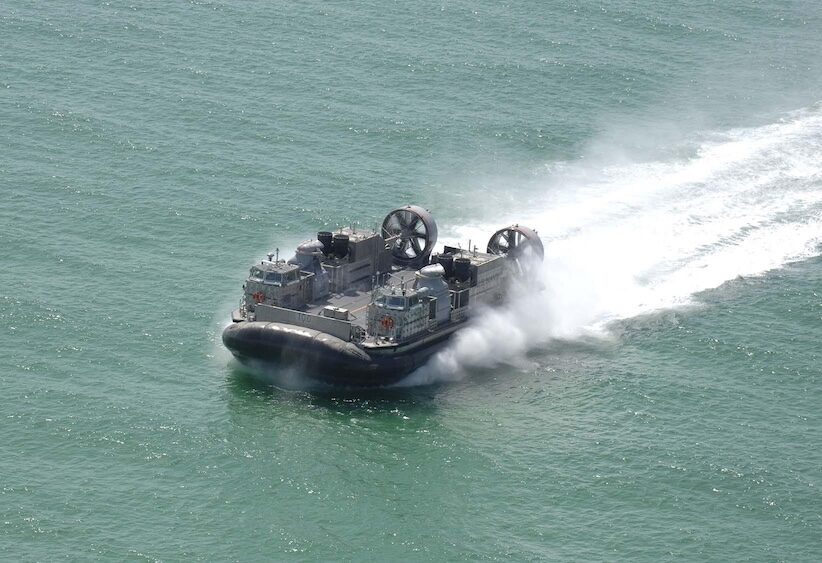
Several categories of military evacuation vehicles are used across the world depending on mission requirements:
- Armoured medical evacuation vehicles
- Tactical personnel carriers adapted for casualty transport
- Mine-resistant ambush-protected (MRAP) evacuation platforms
- Tracked battlefield recovery and evacuation vehicles
- Heavy transport trucks configured for emergency extraction
- Amphibious evacuation vehicles for coastal operations
- Helicopter support vehicles used in combined evacuation missions
Each type of vehicle serves a specific operational purpose and may be deployed independently or as part of a larger rescue effort.
Technology Driving Modern Evacuation Platforms
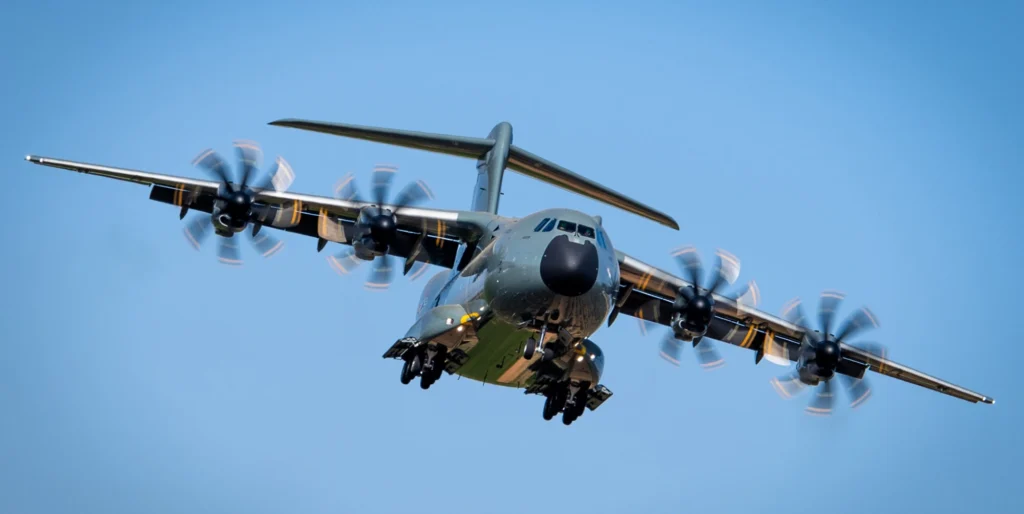
Technology has transformed evacuation military vehicles into sophisticated mobile rescue platforms. Modern navigation systems enable crews to identify safe routes and avoid potential threats while maintaining communication with command centres.
Advanced armour materials provide enhanced protection without significantly increasing vehicle weight. This balance improves mobility while maintaining occupant safety in hostile environments.
Digital battlefield integration allows military evacuation vehicles to receive real-time intelligence updates, helping crews make informed decisions during high-pressure operations.
Autonomous technologies and remote-operating capabilities are also being explored, potentially reducing risks to personnel tasked with entering dangerous environments.
Supporting Military And Humanitarian Operations
Military evacuation vehicles are often associated with combat operations, but their value extends far beyond the battlefield. These versatile platforms are frequently used during humanitarian missions, disaster relief efforts, and large-scale emergency responses.
Floods, earthquakes, wildfires, and severe storms can leave communities isolated and inaccessible. In these situations, military evacuation vehicles provide a reliable means of transporting injured civilians, emergency personnel, and essential supplies.
As global security and disaster-response requirements continue to evolve, military evacuation vehicles will remain a vital component of emergency preparedness. Their ability to combine protection, mobility, and medical support ensures they will continue saving lives in some of the world’s most challenging environments.