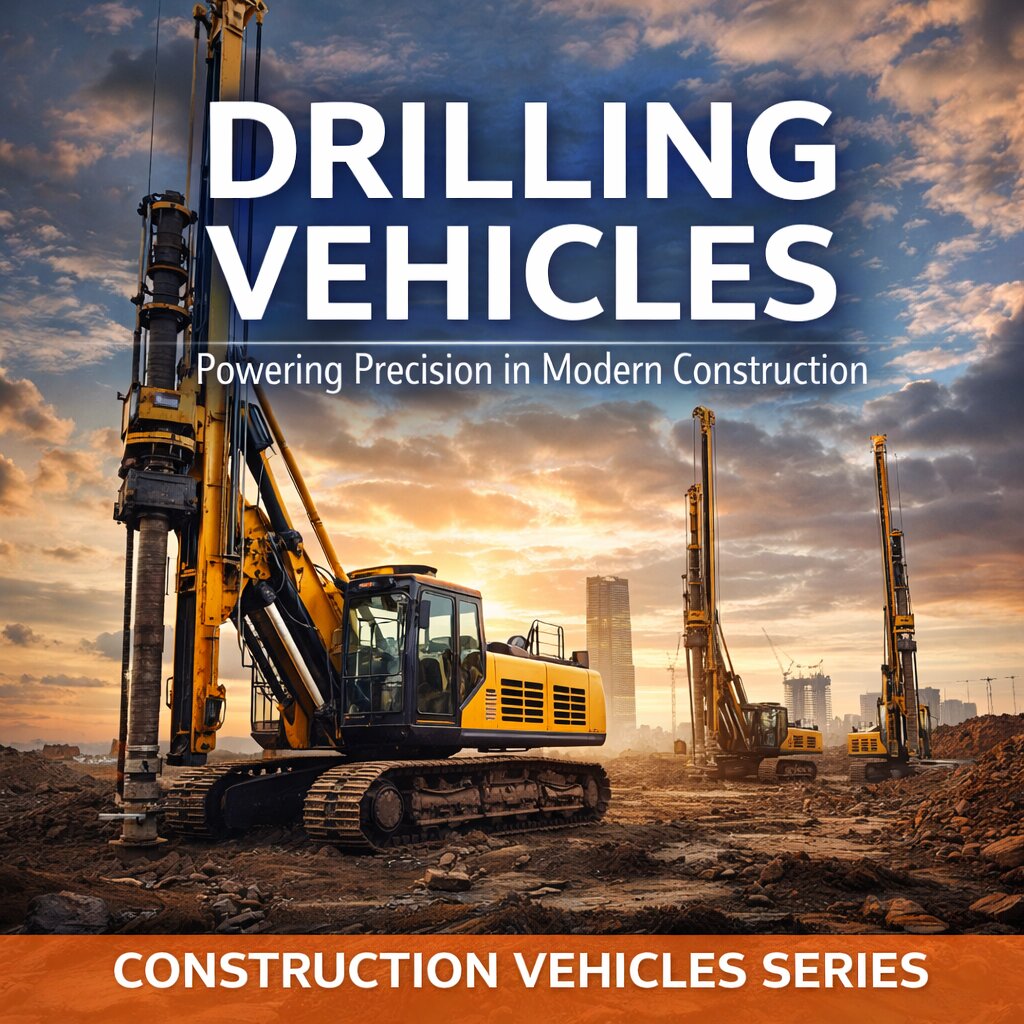
Drilling Vehicles: Powering Precision in Modern Construction
Construction sites are loud, dynamic environments where precision matters just as much as power. Among the most specialised machines on these sites are drilling vehicles. While they may not receive the same public attention as excavators or bulldozers, drilling vehicles play a crucial role in infrastructure development, foundation work, mining preparation, and large-scale civil engineering projects.
From road construction and bridge supports to deep foundation piling and utility installations, drilling vehicles are the backbone of many projects that require stability beneath the surface. Without them, modern high-rise buildings, highways, tunnels, and wind farms would struggle to stand on solid ground.
In this edition of our Construction Vehicles Series, we take a closer look at drilling vehicles, how they work, where they are used, and why they are indispensable in South Africa’s growing infrastructure landscape.
What are drilling vehicles?
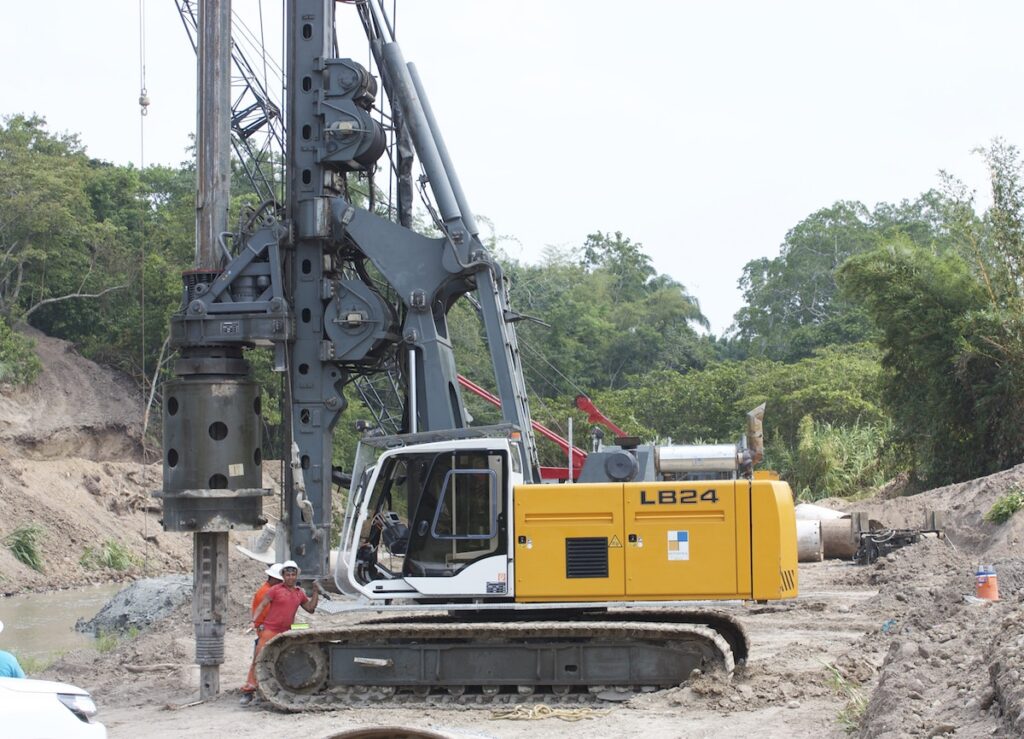
Drilling vehicles are heavy-duty construction machines designed to bore holes into soil, rock, or other surfaces. These holes serve various purposes, including installing foundations, placing utility poles, conducting geological surveys, and preparing blasting zones in mining operations.
Unlike handheld or small portable drilling equipment, drilling vehicles are mounted on trucks, crawler tracks, or specialised chassis platforms. This gives them mobility, stability, and the ability to operate in demanding terrain conditions. Depending on the application, they can drill vertically, horizontally, or at specific angles.
There are several categories of drilling vehicles. Some are designed for deep foundation piling, using rotary drilling systems to create large-diameter shafts. Others are used for smaller, precise holes in road construction or utility installation. In mining, drilling vehicles are often used to create blast holes for controlled rock fragmentation.
The core components typically include a drilling mast, rotary head, hydraulic systems, stabilisers, and a power unit. Advanced models also feature digital controls and monitoring systems to ensure accurate depth and alignment.
Types of drilling vehicles used in construction
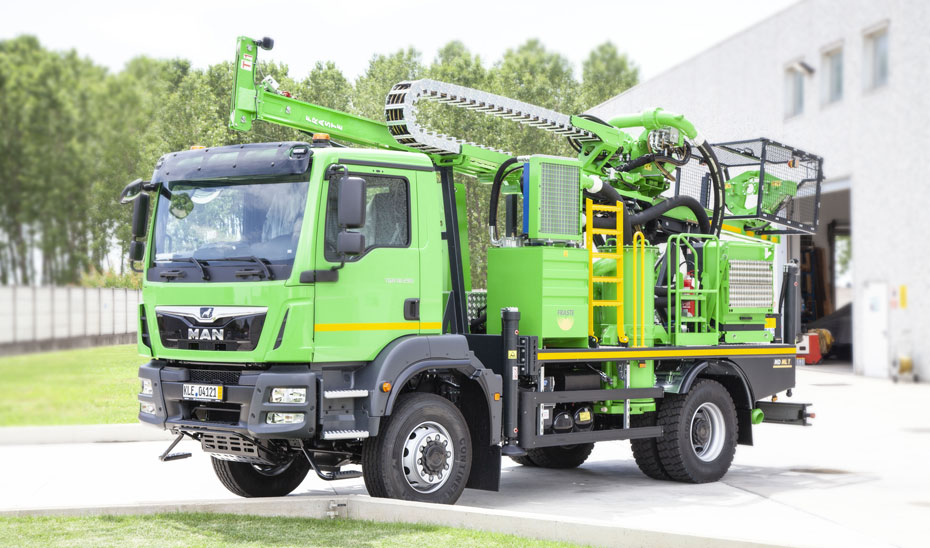
The world of drilling vehicles is far more diverse than many people realise. Each type is engineered for a specific purpose and environment.
Rotary drilling rigs are among the most common in civil construction. These are used for piling foundations, especially in high-rise building projects and bridge construction. They can drill deep, wide shafts into challenging soil conditions and are often mounted on crawler bases for enhanced stability.
Truck-mounted drilling vehicles are frequently used for utility and infrastructure projects. These are more mobile and can quickly relocate between job sites. They are ideal for installing streetlight poles, signage structures, fencing posts, and telecommunications infrastructure.
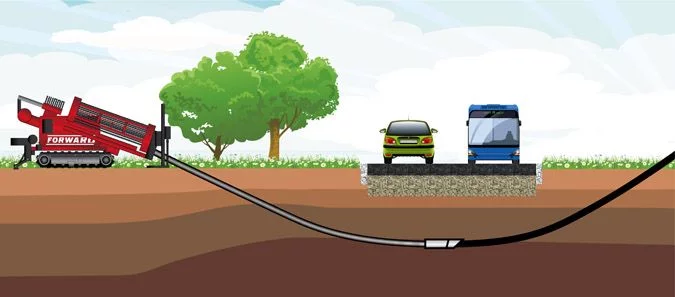
Horizontal directional drilling vehicles are used when underground installation is required without disturbing the surface. This method is commonly used for laying water pipes, fibre optic cables, and electrical conduits beneath roads or rivers.
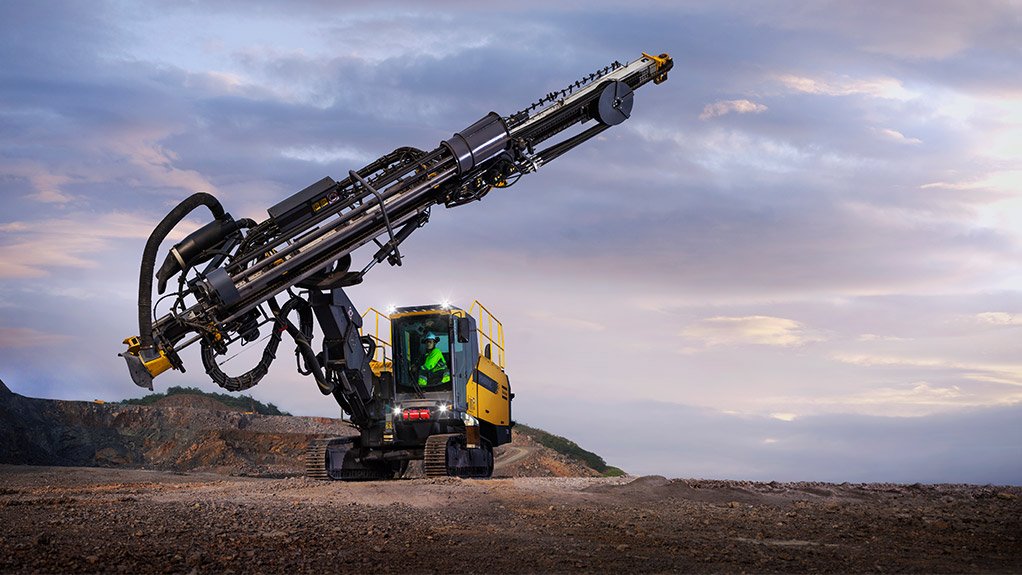
In mining and quarrying, blast hole drilling vehicles are built for rugged environments. These machines are designed to drill precise holes into rock faces to allow controlled explosive placement.
Each variation of drilling machinery serves a specific niche, proving how adaptable and essential this machinery category has become.
Where drilling vehicles are used in South Africa
South Africa’s infrastructure development demands robust equipment capable of handling diverse geological conditions. From sandy coastal soils to dense inland rock formations, drilling machinery must be adaptable and reliable.
In urban environments such as Johannesburg and Cape Town, drilling vehicles are commonly seen on large-scale building projects. Deep foundations are required to support multi-storey structures, making rotary drilling rigs a familiar sight.
Road construction projects across provinces also depend on drilling vehicles. Whether stabilising slopes, installing barriers, or preparing ground anchors, these machines provide the structural integrity necessary for safe highways.
In renewable energy projects, particularly wind farms, drilling vehicles are critical. Massive turbine foundations require precise and deep drilling to ensure long-term stability. Without this stage, the entire project would be compromised.
Mining operations across the Northern Cape, Mpumalanga, and Limpopo also rely heavily on specialised drilling vehicles for exploration and controlled blasting preparation.
This wide range of applications demonstrates how vital drilling vehicles are to both public infrastructure and private sector development.
Technology and safety in modern drilling vehicles
Modern drilling construction vehicles are far more advanced than their predecessors. Hydraulic precision, automated control systems, and real-time monitoring have significantly improved accuracy and safety.
Digital depth indicators ensure operators reach exact specifications. Load monitoring systems prevent mechanical strain and reduce the risk of structural failure. GPS integration allows for precise positioning, especially on large-scale sites where alignment matters.
Safety is a top priority. Stabilising outriggers prevent tipping, while enclosed operator cabins protect against debris and harsh weather. Noise and vibration reduction technologies have also improved working conditions for crews.
In addition, many manufacturers are focusing on fuel efficiency and reduced emissions. As environmental regulations tighten, newer drilling construction vehicles are being designed to minimise their ecological footprint while maintaining high performance levels.
Technology has transformed drilling vehicles from purely mechanical machines into intelligent, data-driven construction assets.
Leading drilling vehicle brands operating in South Africa
South Africa’s construction and mining sectors demand reliable, heavy-duty drilling vehicles capable of handling tough terrain and varied soil conditions. Several international and local brands dominate the market, supplying advanced rigs and specialised equipment to contractors nationwide.
Some of the top drilling vehicle brands operating in South Africa include:
- Sandvik – A major player in mining and rock excavation, Sandvik supplies advanced surface drill rigs widely used in quarrying and large-scale infrastructure projects.
- Epiroc – Known for high-performance drilling solutions, Epiroc provides blast hole drill rigs and exploration drilling vehicles used extensively in mining operations across the country.
- Liebherr – A global heavyweight in construction machinery, Liebherr produces rotary drilling rigs used in foundation engineering and large-scale civil construction.
- Soilmec – Specialising in foundation drilling equipment, Soilmec rigs are frequently seen on deep piling and geotechnical projects in urban developments.
- Caterpillar (CAT) – While primarily known for earthmoving equipment, CAT’s drilling and support machinery plays an important role in large construction and mining operations.
- Atlas Copco (legacy systems now under Epiroc) – Many existing drilling vehicles in South Africa still operate under the Atlas Copco name, particularly in mining sectors.
- Local equipment distributors and conversion specialists – Several South African engineering firms customise and adapt truck-mounted drilling vehicles for utility, telecommunications, and pole installation work.
The presence of these brands ensures that South African contractors have access to world-class drilling vehicles suited to everything from urban foundations to deep mining applications.
As infrastructure investment continues, demand for advanced and efficient drilling systems is expected to grow.
The future of drilling vehicles in infrastructure growth
As infrastructure demand increases, so too does the need for efficient and reliable construction drilling vehicles. Urban expansion, renewable energy development, and national road upgrades all depend on deep foundation work and underground installations.
Automation is likely to play a bigger role in the future. Semi-autonomous drilling systems are already being tested in some regions, reducing operator fatigue and increasing precision. Remote monitoring could allow supervisors to oversee multiple machines across sites.
Sustainability will also shape the next generation of drilling construction vehicles. Hybrid systems and alternative fuel options may become more common as companies aim to reduce carbon output.
One thing is certain: drilling vehicles will remain central to construction and civil engineering for decades to come. They may not always be the most visible machines on-site, but they are among the most critical.
Building from the ground up
Every structure begins below the surface. Before walls rise and roads stretch into the distance, foundations must be secured. That responsibility falls squarely on drilling construction vehicles.
In our Construction Vehicles Series, we continue to explore the machines that quietly shape our world. Drilling vehicles represent the precision side of heavy machinery: the blend of power, engineering, and accuracy that keeps infrastructure stable and safe.
From skyscrapers to wind turbines, from highways to underground utilities, drilling construction vehicles are driving development forward.
And as South Africa continues to build, these powerful machines will remain at the heart of progress.