
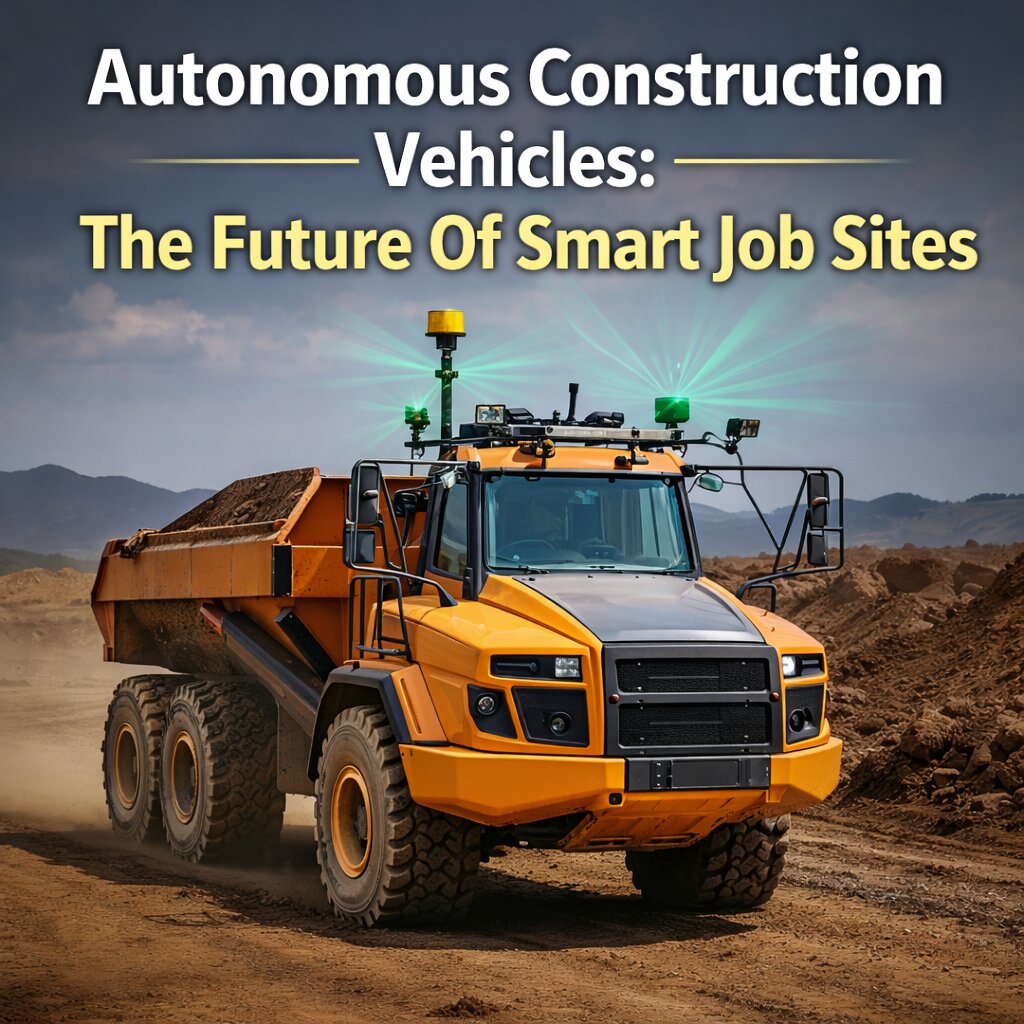
Autonomous Construction Vehicles: The Future Of Smart Building Sites
Autonomous construction vehicles are becoming one of the most transformative technologies in the global construction industry. These machines use sensors, GPS systems, artificial intelligence, and advanced automation to perform tasks on construction sites with minimal human input.
From self-driving dump trucks to automated bulldozers and excavators, autonomous construction vehicles are helping contractors improve productivity, safety, and operational efficiency. As labour shortages and rising project costs challenge the industry, automation is rapidly becoming an attractive solution.
Many manufacturers and technology companies are now investing heavily in the development of autonomous construction equipment. These innovations aim to reduce human error, optimise workflow, and allow construction projects to run more efficiently around the clock.
While fully autonomous job sites are still emerging, the technology is already being used in mining operations, infrastructure projects, and large-scale developments across the world.
How Autonomous Construction Vehicles Work
Autonomous construction vehicles rely on a combination of hardware and software systems to operate safely and efficiently. These technologies allow machines to navigate job sites, avoid obstacles, and complete tasks with precision.
Key technologies behind autonomous construction equipment include:
- GPS and satellite navigation systems
- LiDAR and radar sensors
- AI-powered computer vision
- Remote monitoring systems
- Machine learning algorithms
- Telematics and fleet management software
Together, these systems allow construction machines to map job sites, follow planned routes, and automatically adjust operations based on real-time conditions.
Operators can also monitor multiple vehicles remotely from a central control centre, allowing a single technician to supervise several machines at once.
Types Of Autonomous Construction Vehicles
Several types of construction vehicles are now being developed or deployed with autonomous capabilities.
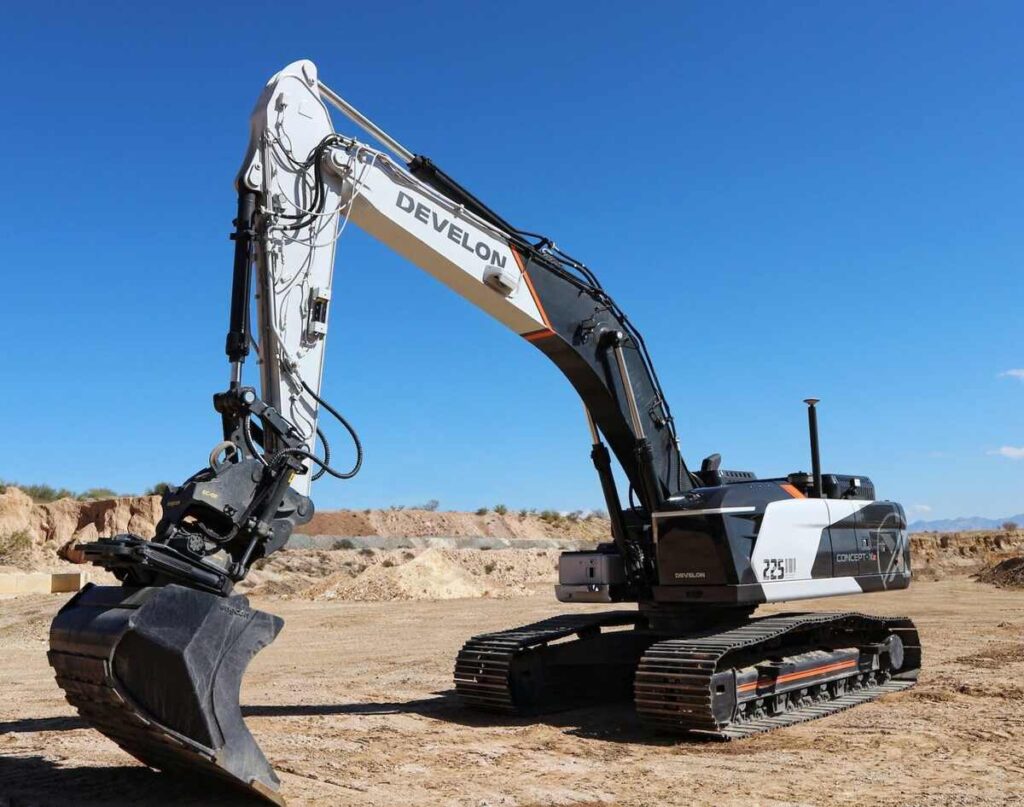
Excavators are among the most common machines being adapted for automation. Autonomous excavators can perform repetitive digging tasks, trenching, and material handling with consistent accuracy.
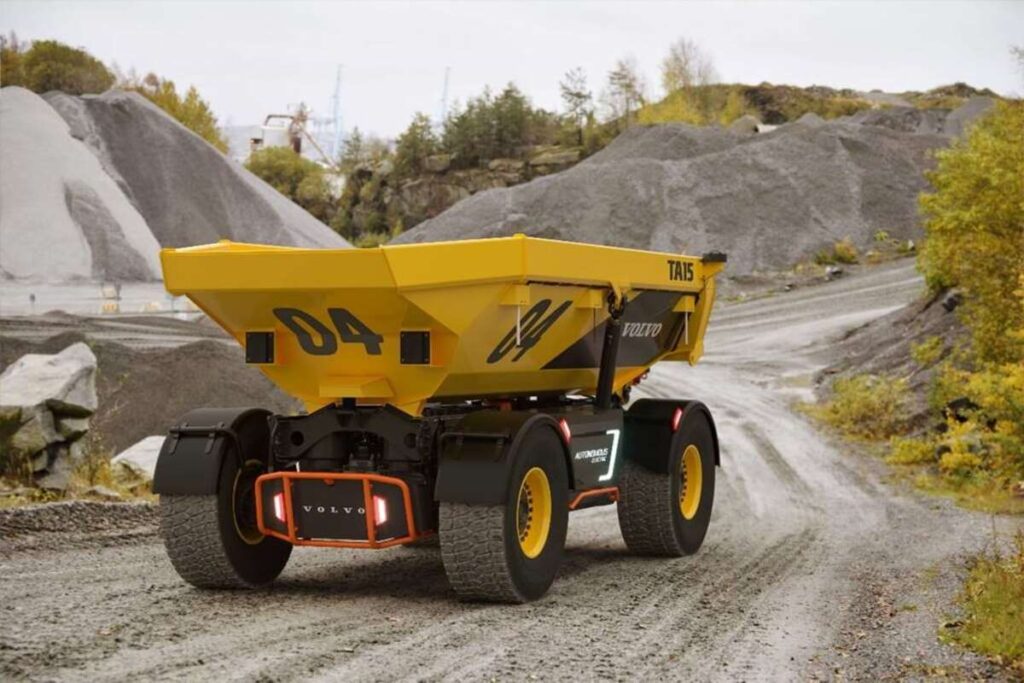
Dump trucks are another major area of automation, particularly in large mining and infrastructure projects. Autonomous haul trucks can transport materials across job sites without human drivers, improving efficiency and reducing the risk of accidents.
Bulldozers and graders are also being equipped with automated systems that allow them to follow precise grading plans. These machines can automatically adjust blade positions to achieve the correct slope and surface level.
Other equipment such as rollers, loaders, and compact construction vehicles are also gradually being integrated with autonomous features.
Benefits Of Autonomous Construction Vehicles
The adoption of autonomous construction vehicles offers several advantages for construction companies and project managers.
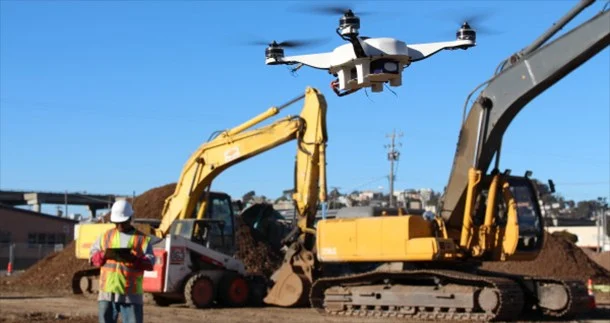
One of the biggest benefits is improved safety. Construction sites can be hazardous environments, and automation helps reduce the risk of accidents by limiting the need for workers to operate heavy machinery in dangerous conditions.
Productivity is another major advantage. Autonomous vehicles can operate for longer hours with consistent performance, helping projects stay on schedule and reducing delays caused by fatigue or human error.
Automation also improves precision. Machines guided by digital site plans and GPS systems can perform tasks with greater accuracy than manual operation in many situations.
In addition, fleet management systems allow companies to monitor equipment performance, maintenance needs, and operational efficiency in real time.
Challenges Facing Autonomous Construction Technology
Despite the benefits, autonomous construction vehicles still face several challenges before widespread adoption becomes standard.
High development and equipment costs remain a barrier for many construction companies. Autonomous machines require advanced sensors, computing systems, and specialised software that increase their price compared to traditional equipment.
Regulatory frameworks are also still evolving. Safety standards, liability considerations, and operational guidelines for autonomous heavy machinery vary across regions.
Another challenge involves integrating autonomous machines with traditional construction workflows. Many job sites still rely heavily on manual processes and skilled operators.
However, as technology advances and costs decrease, more companies are expected to adopt automation as part of their construction operations.
Top Manufacturers Developing Autonomous Construction Vehicles
Several major equipment manufacturers are currently developing autonomous construction technologies.
- Caterpillar
- Komatsu
- Volvo Construction Equipment
- Hitachi Construction Machinery
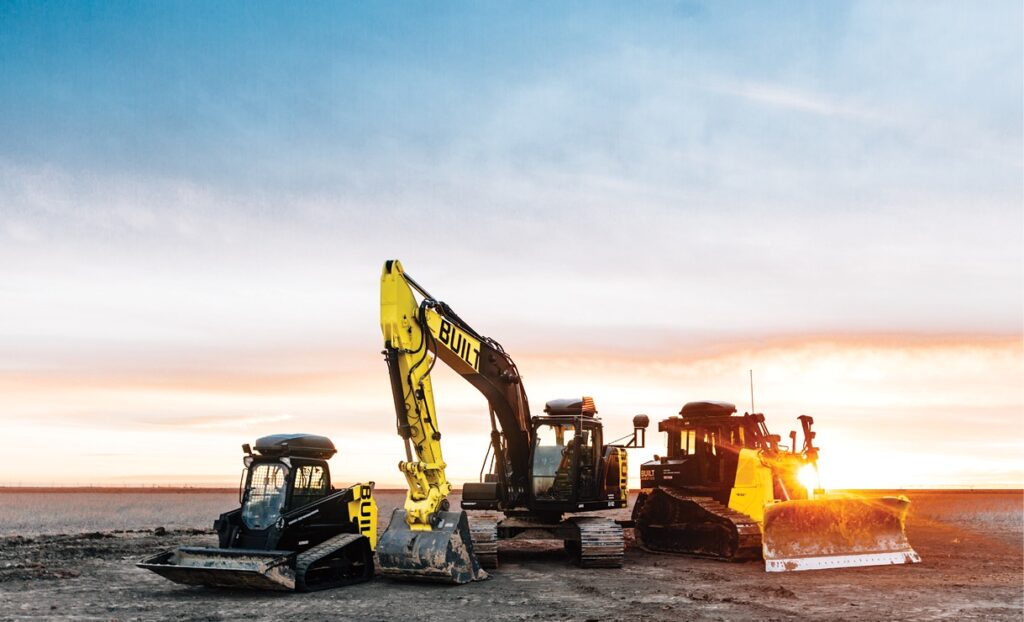
- Built Robotics
These companies are investing in automation platforms that allow construction equipment to operate with minimal supervision. Some solutions are already being used in mining operations and large infrastructure projects.
As the technology continues to evolve, more construction fleets are expected to integrate autonomous machines into their operations.
The Road Ahead For Autonomous Construction
Autonomous construction vehicles are set to play a major role in the future of infrastructure development and large-scale construction projects.
With advances in artificial intelligence, robotics, and digital site mapping, construction equipment is becoming smarter and more capable every year. These innovations will likely reshape how projects are planned, managed, and executed.
While fully autonomous construction sites are still developing, many companies are already adopting semi-autonomous technologies that improve safety and efficiency.
As automation continues to mature, autonomous construction vehicles will become an increasingly common sight on job sites around the world.