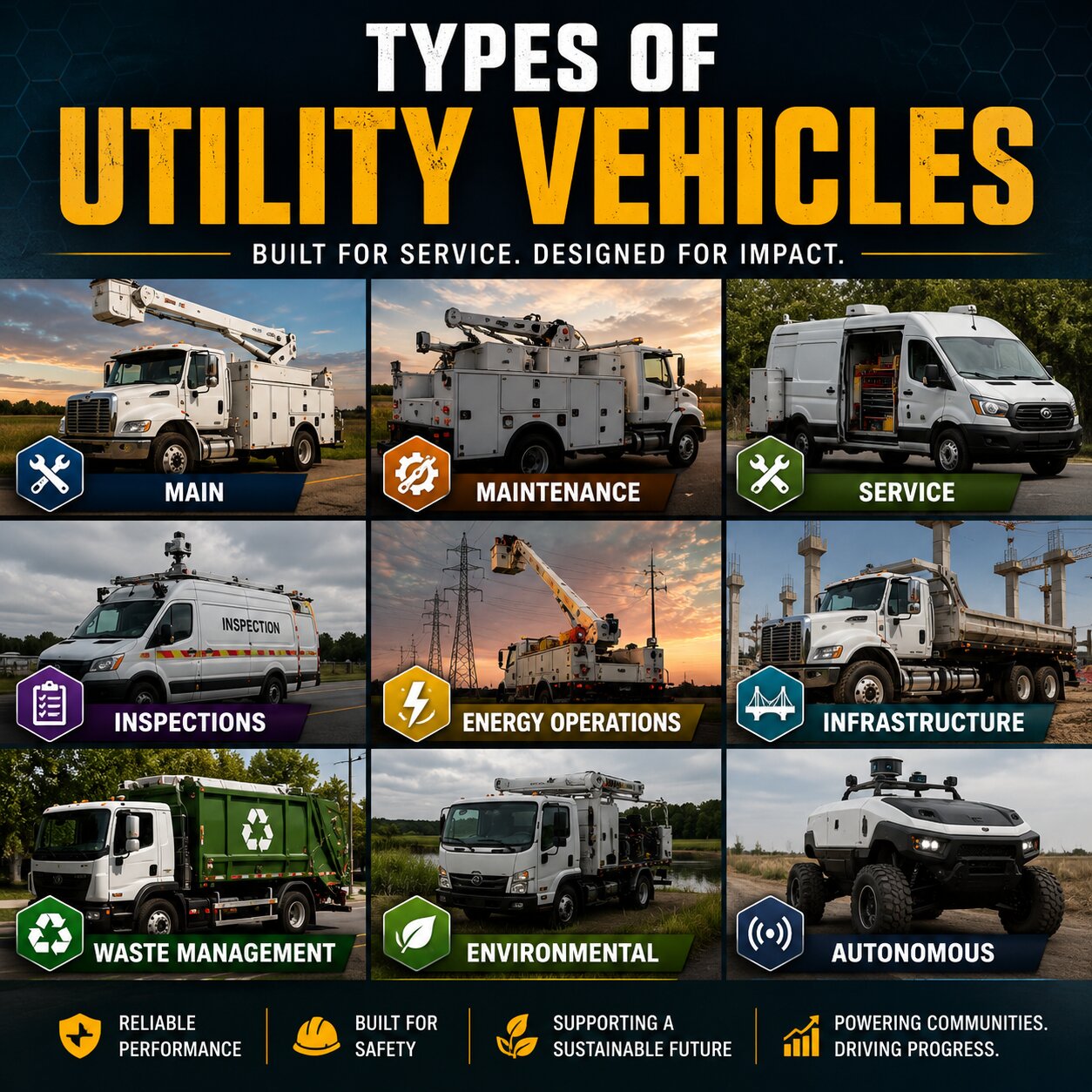
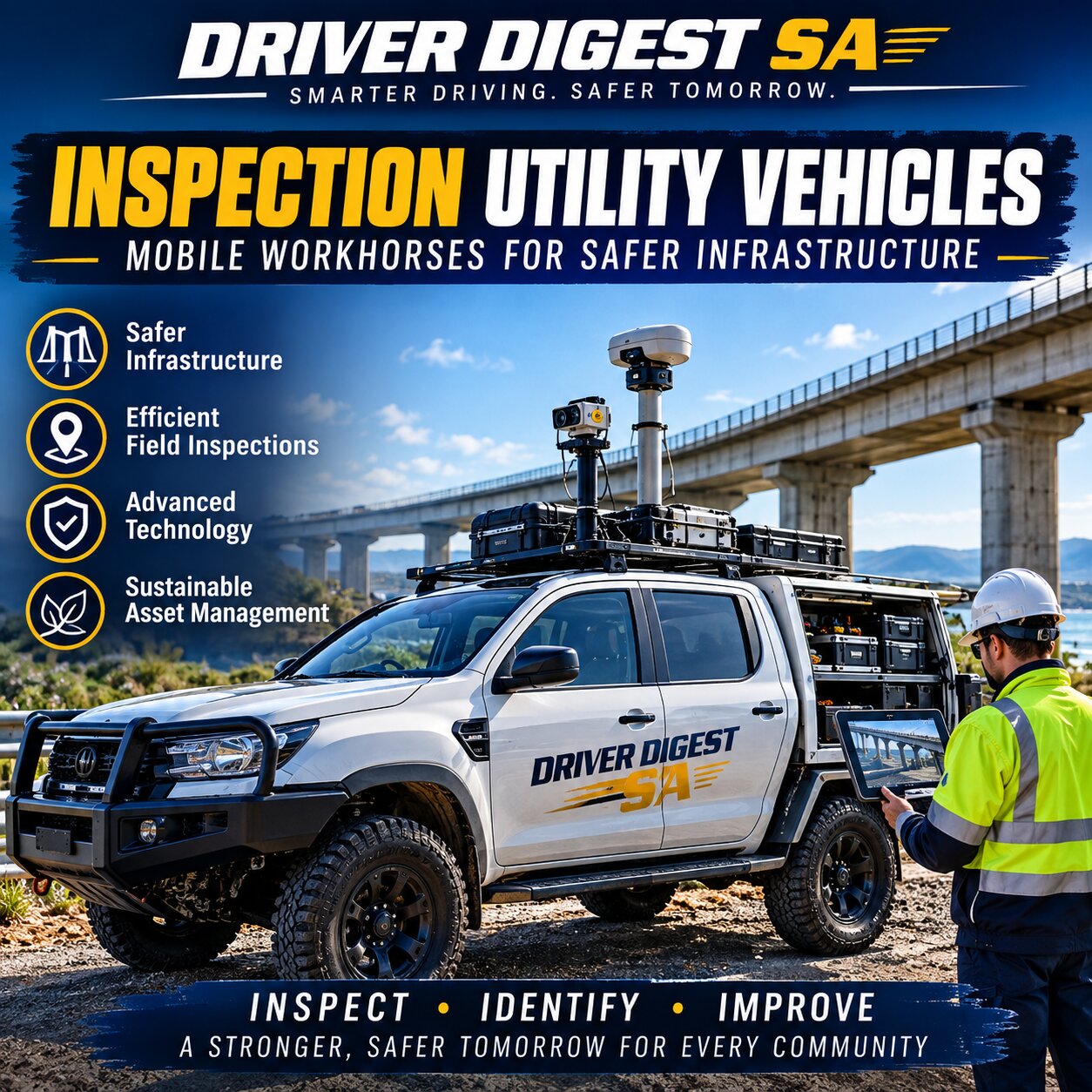
Inspection Utility Vehicles: Mobile Workhorses for Safer Infrastructure
Inspection utility vehicles play an essential role in helping organisations maintain roads, bridges, power lines, pipelines, railways, and industrial facilities. Rather than transporting heavy loads or construction equipment, these specialised vehicles are designed to carry inspectors, diagnostic tools, cameras, and monitoring equipment directly to the assets that require assessment.
By bringing inspection teams closer to the work, these vehicles help identify problems before they become expensive failures or safety hazards.
Built for Access and Efficiency
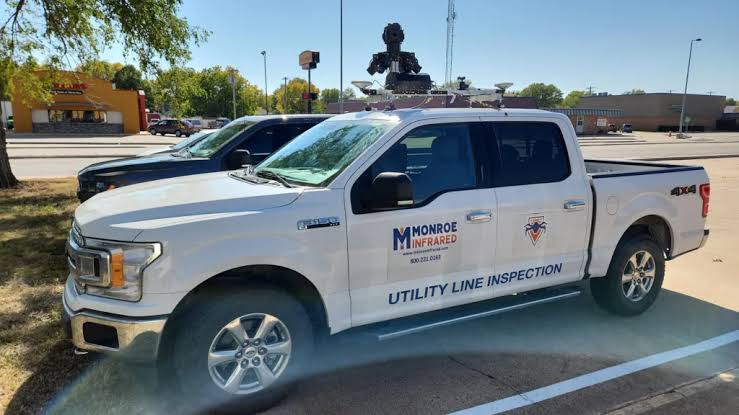
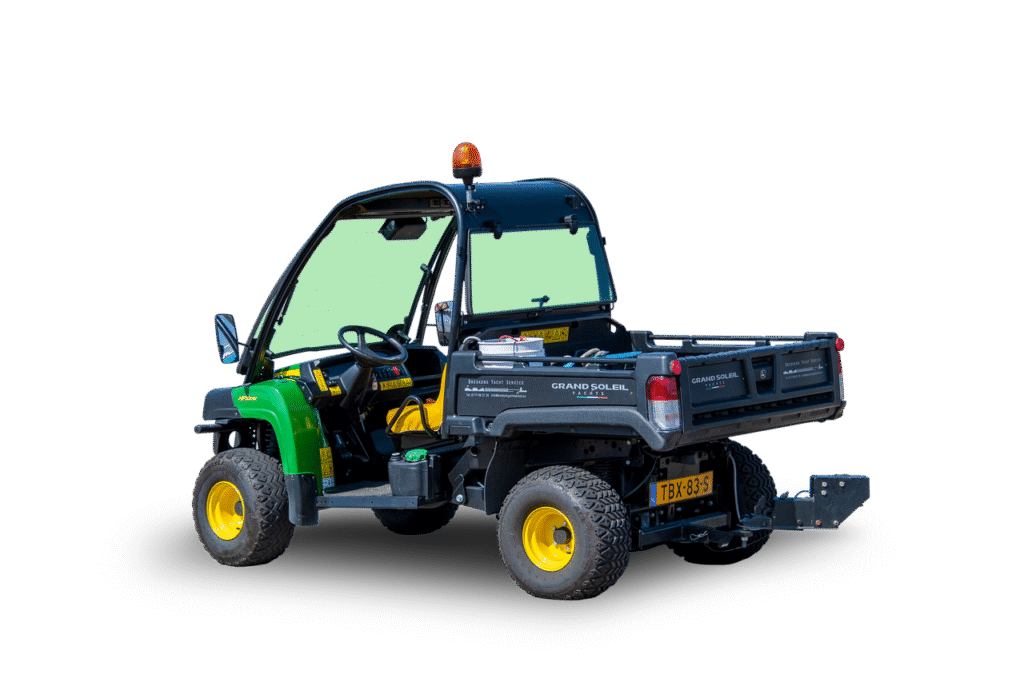
Inspection utility vehicles are often based on reliable pickups, SUVs, or compact off-road platforms that can reach locations where conventional passenger vehicles struggle. Depending on their intended purpose, they may feature four-wheel drive, raised suspension, protective underbody plating, and specialised storage compartments for sensitive equipment.
Many fleets also include roof-mounted lighting, communication systems, onboard power supplies, and workstations that allow inspectors to review data while still in the field.
These features reduce downtime by allowing inspections and reporting to occur during a single site visit.
Supporting a Wide Range of Industries
Inspection vehicles are used across numerous industries. Civil engineers rely on them when assessing bridges and highways, while electricity providers use them to inspect substations and transmission infrastructure.
Water authorities deploy them to evaluate pipelines, pumping stations, and reservoirs. Telecommunications companies send inspection vehicles to remote towers, and mining operations use them to examine equipment and site conditions.
Even environmental agencies depend on these vehicles when monitoring protected areas, rivers, forests, and conservation projects.
Technology Makes Every Inspection Smarter
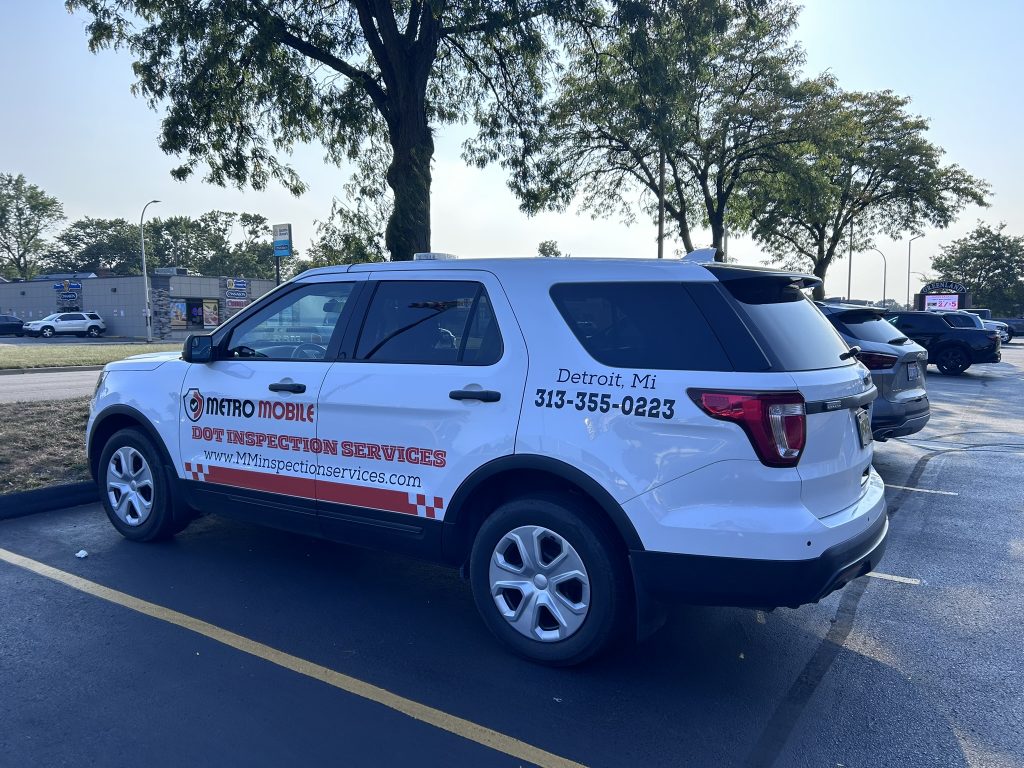
Modern inspection utility vehicles are increasingly equipped with advanced technology that improves both accuracy and efficiency.
High-resolution cameras, drones, thermal imaging systems, GPS mapping, laser measurement devices, and digital reporting software allow inspectors to gather comprehensive information without returning to the office. Some vehicles even transmit inspection data in real time, enabling engineers and managers to make informed decisions immediately.
This digital approach reduces paperwork while creating detailed maintenance histories that support long-term asset management.
Investing in Prevention
Inspection utility vehicles may not receive the same attention as heavy construction machinery, but they are among the most valuable assets in any maintenance fleet.
Their ability to transport skilled professionals and sophisticated equipment safely to critical infrastructure helps organisations detect issues early, reduce repair costs, and improve public safety.
As infrastructure continues to age and technology advances, inspection utility vehicles will remain indispensable tools for proactive maintenance and efficient operations.