Utility Vehicles for Energy Operations: Supporting Power Infrastructure in Challenging Environments
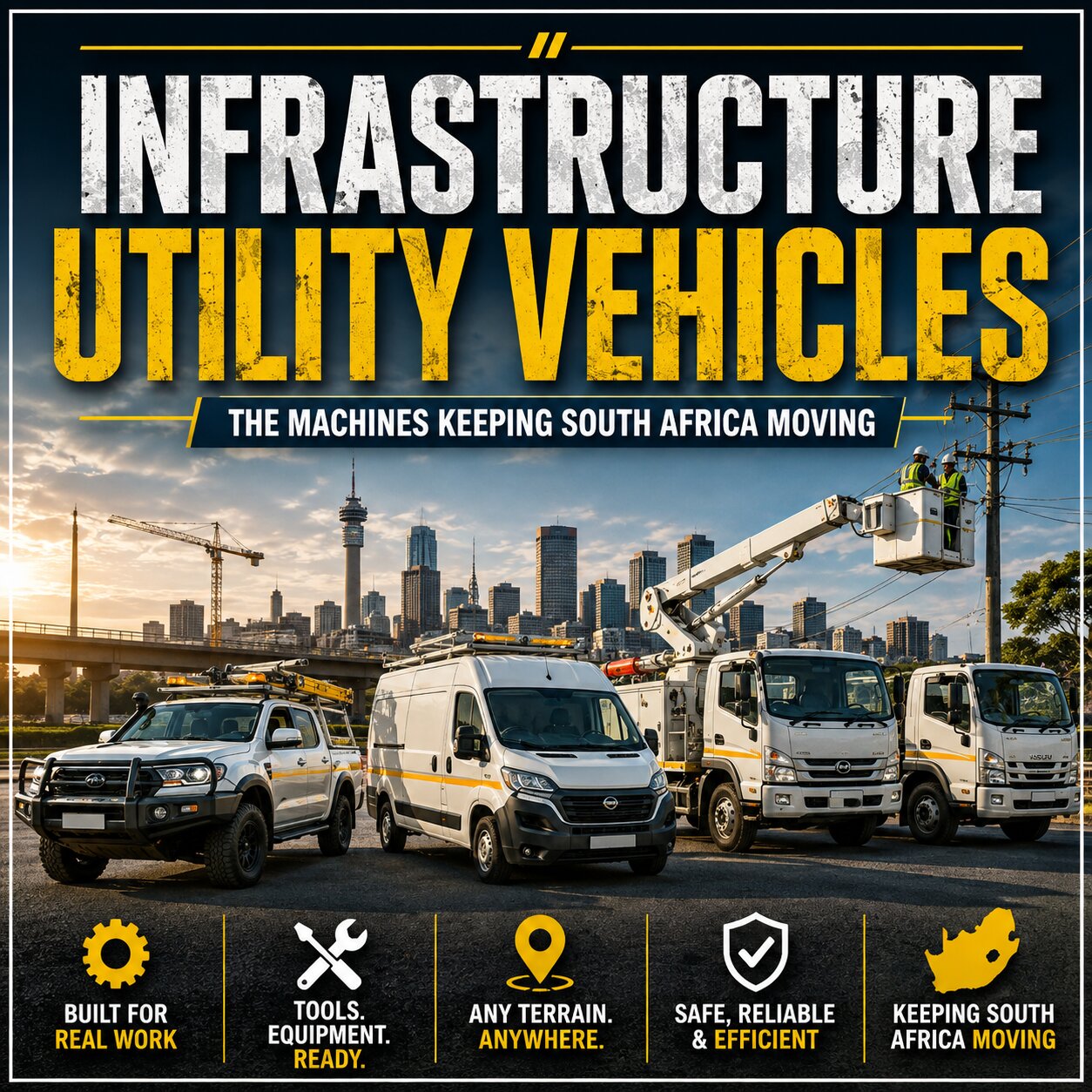
Energy infrastructure depends on far more than power stations, solar farms, wind turbines and transmission networks. Behind these systems are teams that need reliable transport to inspect equipment, carry tools, reach remote sites and respond when something goes wrong. Utility vehicles for energy operations provide the mobility required to keep these essential activities moving.
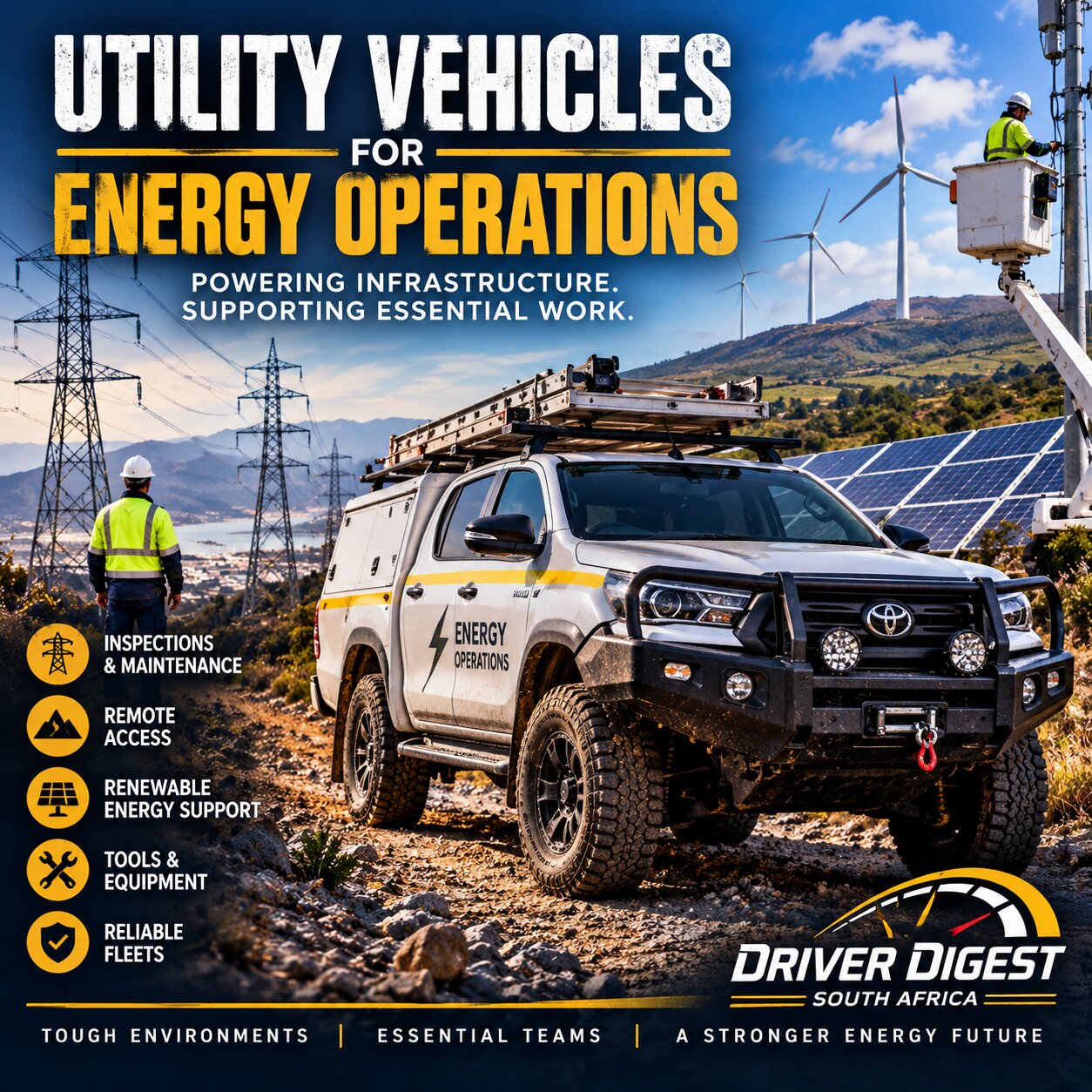
From conventional electricity networks to renewable energy facilities, utility vehicles can be adapted to numerous operational requirements. Some spend their working lives travelling between substations and urban infrastructure, while others need enough off-road capability to reach transmission towers, wind farms or solar installations in difficult terrain.
For fleet operators, choosing the right utility vehicle therefore involves much more than considering its ability to carry passengers. Payload, towing capacity, terrain capability, equipment storage, reliability, and operating costs can all influence whether a vehicle is suitable for energy-sector work.
Where Utility Vehicles Fit into Energy Operations

Energy networks can cover enormous geographical areas. Electricity transmission and distribution infrastructure alone may require personnel to travel considerable distances between substations, power lines, transformers and other assets.
Utility vehicles for energy operations provide a mobile platform from which these teams can work. A standard bakkie may be sufficient for routine inspections, while specialised operations can require service bodies, elevated work platforms, cranes or additional equipment.
The type of energy infrastructure also influences vehicle requirements. Solar farms may require vehicles capable of moving technicians and cleaning or maintenance equipment around large sites. Wind farms can involve travelling across unpaved access roads, while transmission networks may extend into areas where ordinary passenger vehicles would struggle.
This makes vehicle selection highly dependent on the intended operational environment.
Common Energy-Sector Vehicle Applications
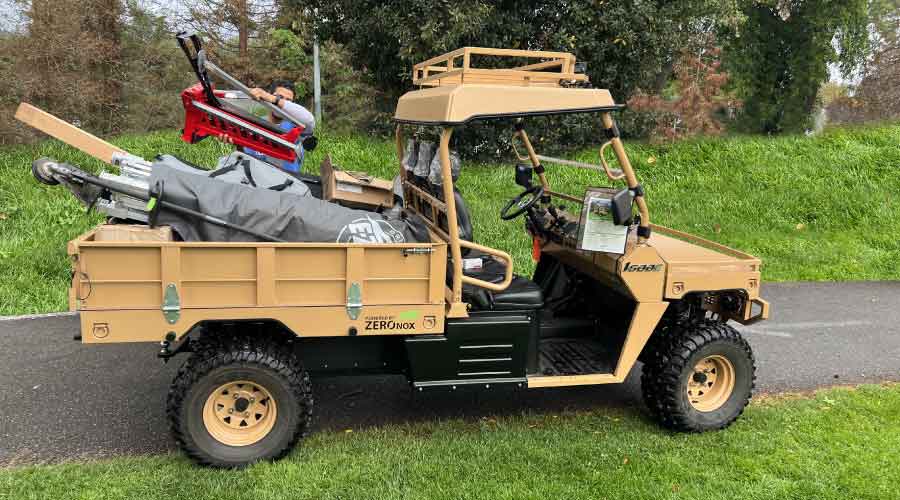
There is no single configuration suitable for every energy operation. Fleets can include everything from compact utility vehicles used within facilities to heavy commercial vehicles designed for specialised engineering work.
Typical applications for utility vehicles for energy operations include:
- Power line and transmission infrastructure inspections
- Substation maintenance and technical support
- Solar farm inspection and maintenance
- Wind turbine servicing operations
- Emergency electricity network repairs
- Transporting technicians, tools and replacement components
- Towing generators, trailers and specialised equipment
- Vegetation management around electricity infrastructure
These responsibilities can also require different vehicles within the same fleet. Organisations may consequently select several configurations rather than attempting to make one model perform every task.
Off-Road Capability for Remote Infrastructure
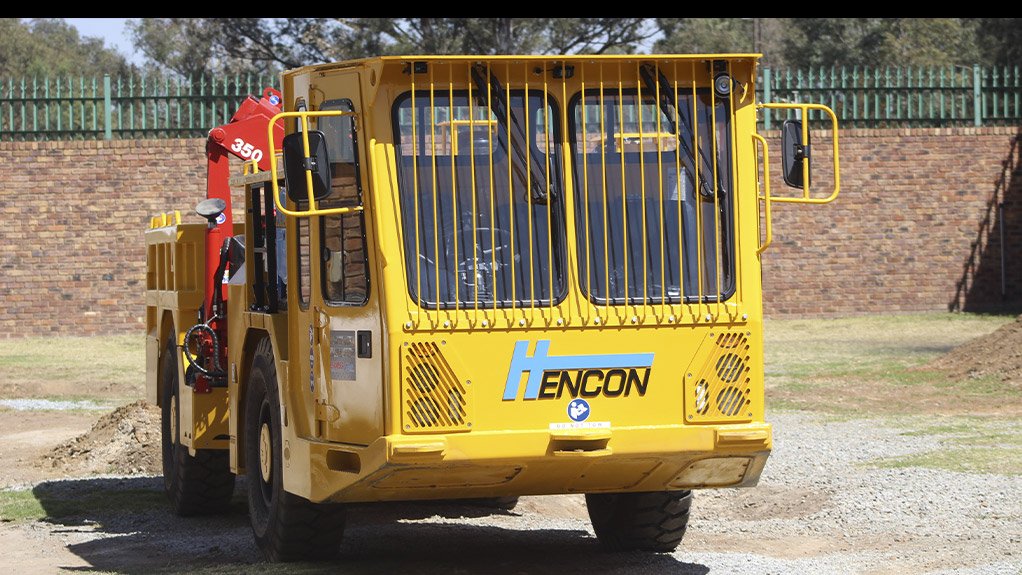
Some of the most demanding energy infrastructure is located far away from paved roads. Transmission towers may cross mountains, farmland, and undeveloped areas, while renewable energy facilities are frequently constructed where environmental conditions are favourable rather than where road access is easiest.
Four-wheel-drive utility vehicles can provide an important advantage in these environments. Higher ground clearance, suitable tyres and robust suspension systems can help teams negotiate gravel, mud, uneven tracks and steep gradients.
However, off-road capability should be matched to actual operational requirements. A vehicle primarily travelling between urban substations may benefit more from lower fuel consumption and easier manoeuvrability than extreme terrain capability.
Fleet managers therefore need to understand where each vehicle will spend most of its working life before determining the appropriate specification.
Payload, Towing and Equipment Storage
Technicians rarely travel empty-handed. Tools, testing equipment, cables, safety gear, replacement components and other materials may all need to accompany an energy maintenance team.
Payload capacity becomes especially important once a utility vehicle receives additional equipment. Canopies, service bodies, drawers, racks, auxiliary batteries and other permanent modifications consume part of the vehicle’s available payload before personnel and equipment are added.
Towing capacity can be equally significant. Utility vehicles for energy operations may need to tow generators, cable trailers, compressors or other equipment between worksites.
Good storage design can also improve efficiency. Secure compartments allow technicians to organise equipment and reduce the amount of time spent searching for tools at a site. Vehicles configured around specific maintenance responsibilities can effectively become mobile workshops.
Safety and Technology on Energy Sites
Energy-sector vehicles operate around potentially hazardous infrastructure, making safety an important part of fleet specification.
Modern driver-assistance systems can support employees travelling long distances or working across extensive sites. Reversing cameras and parking sensors can be particularly useful when vehicles operate near equipment or within confined facilities.
Specialised vehicles may also require additional safety equipment depending on their duties. Warning lights, communication equipment, fire extinguishers, first-aid equipment and high-visibility markings are among the possible additions.
Telematics can provide another layer of fleet oversight. Organisations can use vehicle data to monitor utilisation, maintenance requirements, routes and driving behaviour, potentially improving both efficiency and safety.
Renewable Energy Is Changing Utility Fleets
The transition towards renewable energy creates an interesting relationship between vehicles and the infrastructure they support.
Solar and wind installations still require technicians, equipment and reliable transportation, but organisations operating these facilities may also examine ways to reduce the emissions associated with their own fleets.
Electric utility vehicles could become increasingly relevant for operations where daily distances and charging opportunities make them practical. A vehicle working predominantly within a large solar facility, for example, may have very different requirements from one travelling hundreds of kilometres to isolated transmission infrastructure.
Hybrid and lower-emission vehicles may offer alternatives for certain applications, while conventional internal-combustion vehicles are likely to remain important where range, towing, payload and remote-area operation demand them.
The best solution will depend on the job rather than the technology alone.
Choosing Utility Vehicles for Energy Operations
Selecting utility vehicles for energy operations requires fleet managers to consider the entire working environment.
A vehicle needs to reach the infrastructure, carry the necessary personnel and equipment, perform reliably under expected conditions and remain financially sustainable throughout its service life. Maintenance support and parts availability can be especially important when vehicles operate intensively or in remote regions.
The ideal fleet may therefore combine several types of utility vehicle. Light-duty models can handle inspections and everyday transport, capable 4x4s can reach difficult infrastructure, and specialised trucks can undertake heavier maintenance and construction responsibilities.
As electricity networks expand and renewable energy infrastructure continues developing, dependable transportation will remain an essential part of keeping those systems operational.
Utility vehicles may not generate electricity themselves, but they help ensure that the people responsible for producing, transmitting and maintaining energy can reach the places where their expertise is needed most.