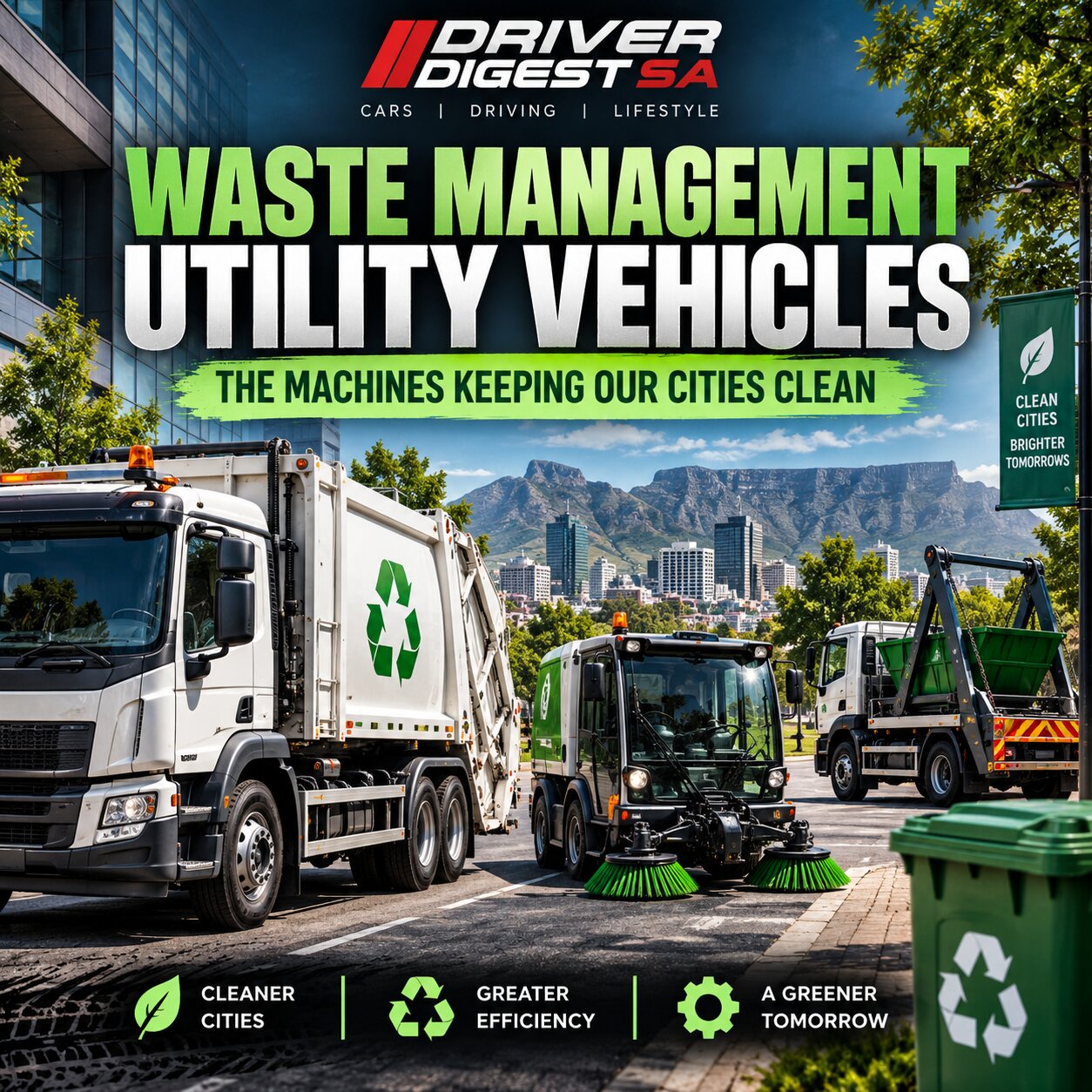
Waste Management Utility Vehicles: The Machines Keeping Our Cities Clean
Waste collection is one of those essential services most people barely notice until something goes wrong. Behind the scenes, waste management utility vehicles perform a wide range of tasks, from collecting household refuse to transporting recyclable materials and handling waste in areas inaccessible to conventional garbage trucks.
Modern fleets increasingly rely on specialised vehicles designed around particular environments and waste streams. Compact utility vehicles can navigate narrow urban streets, pedestrian areas and industrial facilities, while larger refuse trucks remain responsible for high-volume municipal collections.
Different Vehicles for Different Jobs
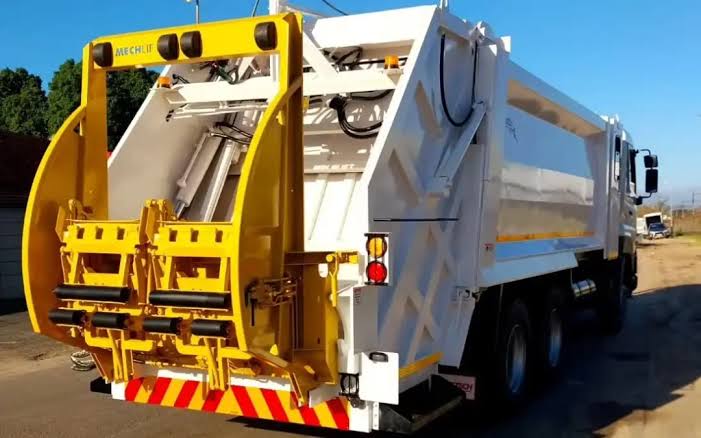
The term waste management utility vehicles covers more than the familiar rear-loading refuse truck. Depending on the application, operators may use:
- Compact electric waste collection vehicles
- Refuse compactor trucks
- Skip loaders and hook-lift vehicles
- Recycling collection vehicles
- Street-cleaning and vacuum vehicles
- Utility vehicles fitted with waste bins or tipping bodies
Choosing the correct waste management vehicle can improve productivity while reducing unnecessary trips, fuel consumption and operating costs.
Electric Waste Vehicles Are Growing in Importance
Electrification is particularly interesting for waste operations because many collection vehicles follow predictable routes and regularly stop and start. Electric drivetrains can also reduce local exhaust emissions and noise, an advantage when collections take place early in the morning or within densely populated neighbourhoods.
Smaller electric waste management utility vehicles can be especially useful for parks, campuses, shopping precincts and city centres where manoeuvrability matters more than carrying maximum capacity.
However, operators still need to consider payload, charging infrastructure, route length and the additional energy required by compactors or other equipment.
Building More Efficient Waste Fleets
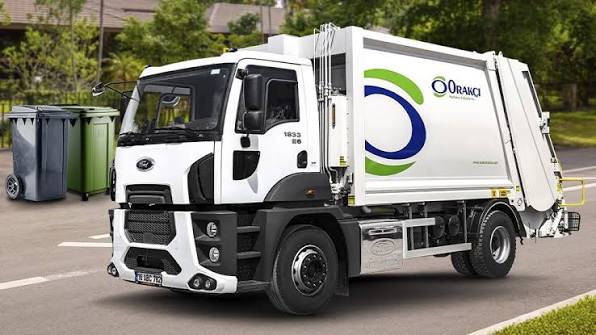
Selecting waste management utility vehicles should ultimately be about matching the machine to the job. A large refuse truck makes sense for high-volume residential routes, but it may be inefficient or impractical for collecting smaller loads from restricted locations.
Fleet managers also need to consider maintenance requirements, driver visibility, safety systems, payload capacity and total operating costs.
As cities search for cleaner and more efficient ways to manage growing waste volumes, specialised utility vehicles will become an increasingly important part of the solution. From compact electric collectors to heavy-duty refuse trucks, these working vehicles help keep communities cleaner while ensuring waste reaches the correct recycling, processing or disposal facilities.